Song Meaning
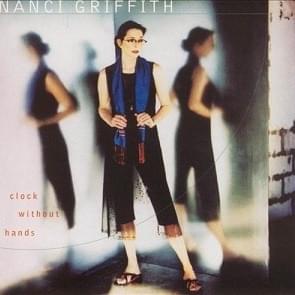
Nanci Griffith's rendition of "Cotton" is deceptively simple, a delicate tapestry woven with threads of longing, vulnerability, and the quiet desperation of a past love revisited. The "land of cotton" isn't just a geographical location; it's a metaphor for a specific time and place imbued with shared history and potentially painful memories. The opening question, "If I came back to the land of cotton, would you love just me?" immediately establishes the central conflict: a return to origins fraught with uncertainty. It's a plea for reassurance, a fragile hope that the passage of time hasn't irrevocably altered the landscape of the heart. The speaker acknowledges the lingering presence of "old loves lost," suggesting that these specters continue to haunt the present. There's a sense of resignation in the acceptance that such memories are "the way it's supposed to be," yet also an underlying yearning for a different outcome. This tension between acceptance and desire fuels the song's emotional core. Griffith’s interpretation carries an implicit understanding of the original hurt and hesitation about reopening it. The lyrics suggest a willingness to accept rejection, a readiness to turn away if the answer is not what is desired, as shown when she sings, "If you say 'no,' I'll understand dear and never come south again." This quiet strength underscores the vulnerability at the heart of the song. Griffith paints a portrait of resilience, drawing parallels to the ballerina who, amidst chaos, focuses on the next step, learning to adjust rather than give up. The ballerina functions as a symbol for persevering through life's challenges. The speaker offers herself, "with my heart in your hands", acknowledging both the risk and the profound hope that accompanies such an offering. The song, therefore, transcends a simple tale of lost love; it explores the complexities of memory, the courage required to confront the past, and the enduring power of hope in the face of uncertainty.
 View Artist