Song Meaning
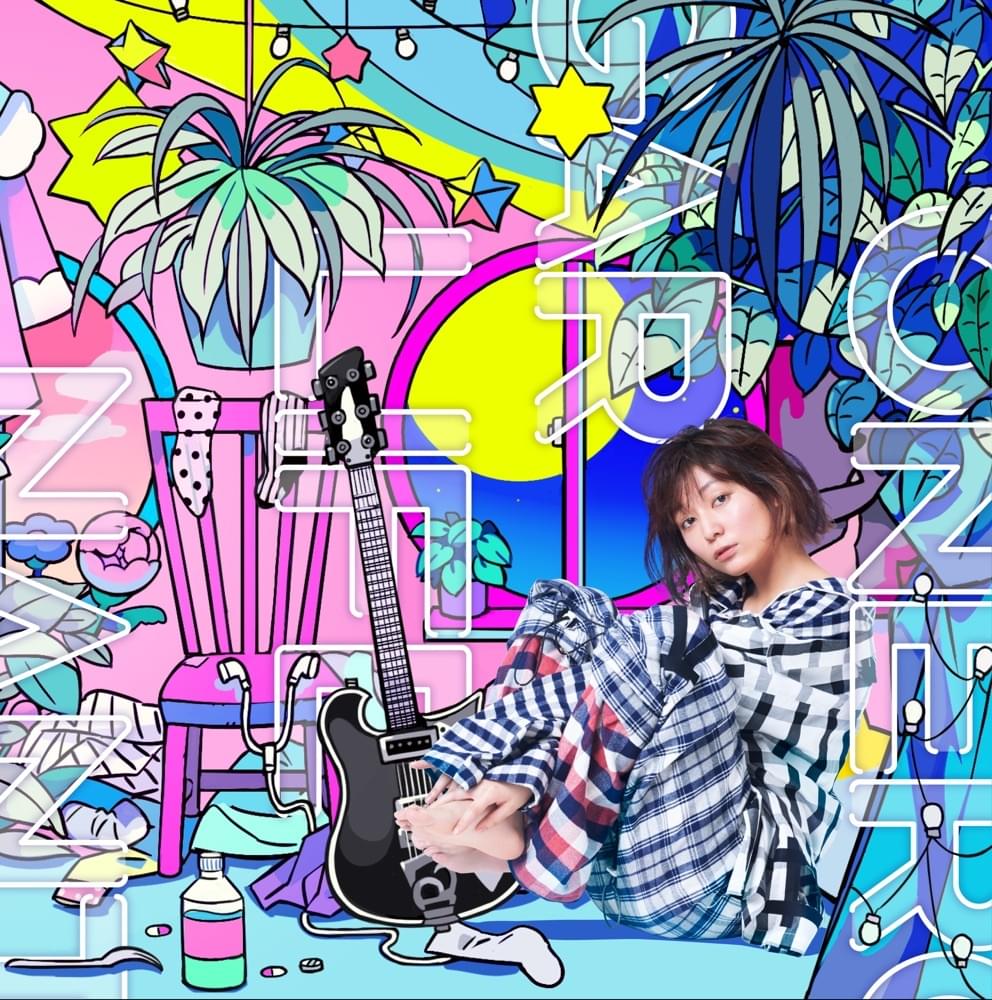
This track paints a vivid picture of someone finding their entire world illuminated by a single person. The lyrics open with a declaration of intense focus: "You are everything." This isn't just affection; it's a complete redefinition of reality, where anything outside this singular connection is actively wished away to preserve the sweetness of their shared space. The narrator seems to be retreating from the outside world, finding solace and identity solely within this relationship. The outside world is characterized by "disco-communication," suggesting a breakdown in external interactions that makes the internal, shared world even more vital.
The core tension lies in the narrator's struggle with self-identity versus the overwhelming presence of this other person. Initially, the narrator admits to a "wandering identity" and a desire for validation, confessing "I only want 'I love you's." They feel incapable of functioning alone, rating themselves and others as "0 points." However, the presence of "you" transforms this perception. The lyrics suggest that this person sees the narrator's flaws, their "dummy attitude" and "panicked disco-commu mode," and accepts them, making the narrator feel "full marks." This acceptance allows the narrator to embrace all parts of themselves, even the messy, imperfect ones, within the safety of their shared "one room sugar life."
The most striking craft element is the recurring motif of "キラキラ" (kirakira), meaning sparkling or glittering. This word, initially applied to emotions in general, becomes specifically tied to the beloved: "Emotions sparkle / Sparkling with you." This repetition powerfully illustrates how the narrator's inner state is directly illuminated by the presence of this person. The contrast between the "sugar life" and the "tasteless life" before this person highlights the transformative power of their connection. The lyrics shift from wanting to erase everything else to accepting that even the "lies and truths" of this sweet world are integral to their identity, suggesting a more mature, integrated self-acceptance that still hinges on the relationship.
 View Artist