Song Meaning
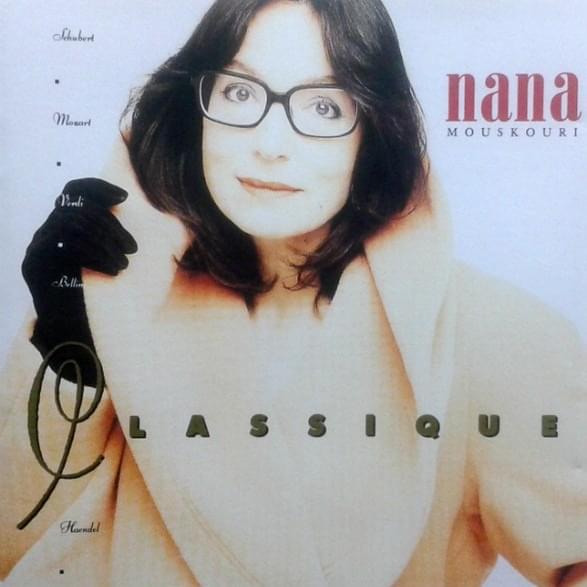
Nana Mouskouri's rendition of "Una Furtiva Lagrima" captures the raw, almost unbearable joy of nascent love. The aria, famously from Donizetti's *L'elisir d'amore*, distills the operatic drama into a few potent verses. It's not just about love; it's about the agonizing, exquisite realization that affection might be reciprocated. The 'furtive tear' spotted in the beloved's eyes becomes the catalyst, the almost unbelievable evidence that transforms longing into a tangible possibility. The song meaning hinges on this fragile moment of hope. It's less a confident declaration and more a trembling question whispered to the heavens.
The brilliance of "Una Furtiva Lagrima", and Mouskouri's interpretation, lies in its restraint. The singer doesn't launch into bombastic pronouncements. Instead, the focus is on the internal seismic shift. The lyrics speak of envy, not of rivals, but of the carefree joy the object of affection previously embodied – a joy now seemingly tinged with a similar yearning. This subtle shift in emotional landscape is everything. The speaker isn't demanding love; they're overwhelmed by the mere prospect of briefly sharing a heartbeat, of their sighs mingling with hers. It's a plea for connection, not possession.
The climax of the lyrics analysis arrives with the line, "Cielo, si puo morir!" (Heaven, one could die!). It’s a sentiment often misunderstood as suicidal ideation, but within the context of the song, it reflects the overwhelming intensity of the moment. It's not a death wish, but an acknowledgment that such profound joy, such a radical shift from despair to hope, is almost too much to bear. To experience even a fleeting moment of reciprocated love feels so complete, so transcendent, that nothing more could be desired. The lyrics encapsulate the vulnerability and overwhelming power of nascent love, transforming a simple observation into a profound emotional experience. Nana Mouskouri delivers this with a delicate touch, allowing the inherent drama of the aria to speak for itself.
 View Artist