Song Meaning
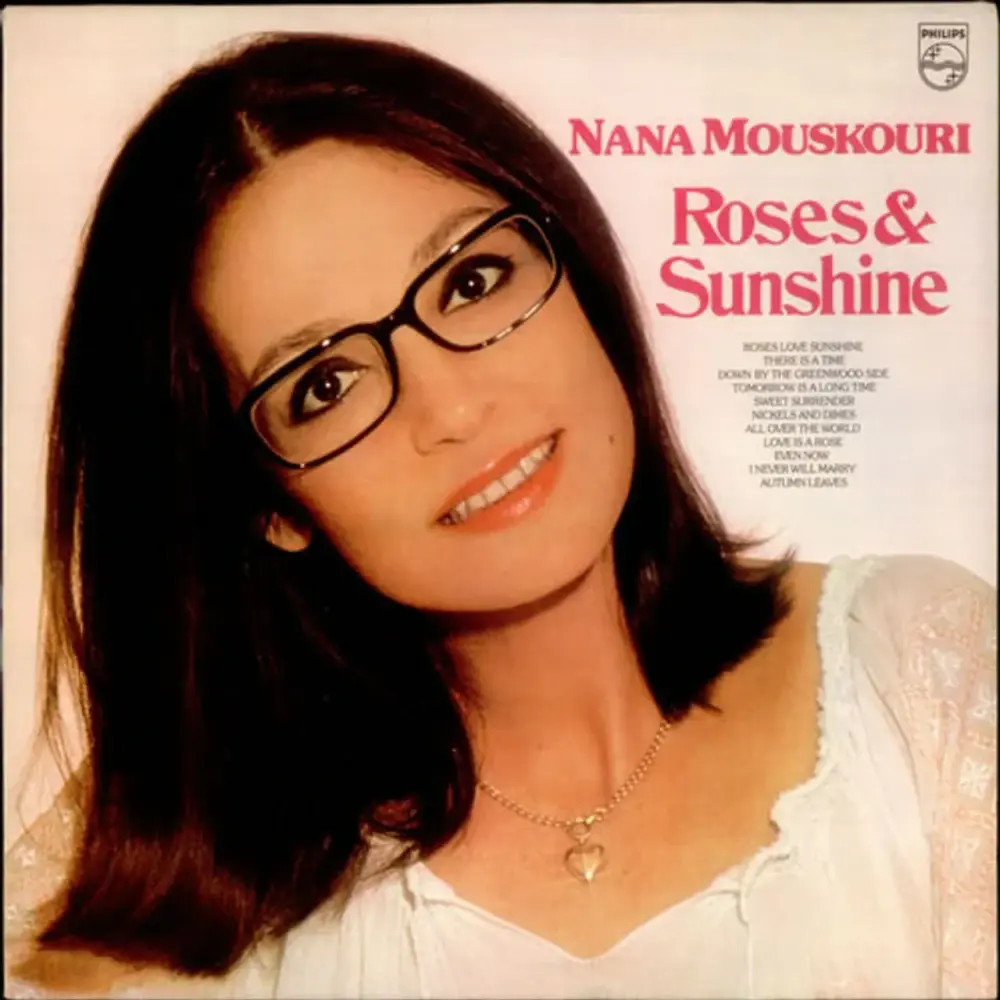
Nana Mouskouri's rendition of "Tomorrow Is a Long Time" isn't just a song; it's a masterclass in melancholic longing, a sonic portrait of solitude painted with the subtle brushstrokes of regret and yearning. The opening lines immediately establish a world contingent on hypotheticals, a reality fractured by lost paths and twisted narratives. Mouskouri's voice, ever the instrument of delicate sorrow, conveys the profound weight of an indefinite future, where 'tomorrow' stretches into an unbearable expanse of time. This isn't merely about being alone; it's about the soul-crushing realization that loneliness has become the defining characteristic of existence. The singer is disconnected from her own identity, unable to recognize herself or recall the essence of who she is.
The lyrics delve deeper into this existential void, exploring a sense of detachment from self and surroundings. The water offers no reflection, the voice carries no pain, and even the most fundamental identifiers—footsteps and name—fade into oblivion. This speaks to a deeper psychological state, perhaps a dissociative response to heartbreak or trauma. The repeated conditional clauses—'only if my true love was waiting'—underscore the central theme: love as the anchor to reality. Without this connection, the singer drifts aimlessly, lost in a sea of sensory deprivation. The longing is not just for physical presence but for the grounding force that love provides, the reassurance of shared existence.
Yet, amidst the pervasive gloom, glimmers of hope emerge in descriptions of natural beauty. The 'summer singing river' and 'sunrise in the skies' offer a contrasting vision, hinting at the inherent beauty of the world. However, even these moments are tinged with sadness, as they pale in comparison to the remembered beauty of her lover's eyes. This juxtaposition highlights the subjective nature of experience: objective beauty is rendered meaningless without the emotional connection that gives it depth and resonance. Ultimately, "Tomorrow Is a Long Time" is a poignant exploration of love's power to define reality, and the devastating consequences of its absence. Mouskouri's interpretation transforms the song into a timeless meditation on loss, identity, and the enduring human need for connection.
 View Artist