Song Meaning
Nana Mouskouri's rendition of "Siboney" isn't just a song; it's a sonic postcard from a Havana that exists as much in the imagination as it does on a map. The lyrics paint a picture of a city where music isn't just entertainment, but an intoxicating force that permeates every corner, every cafe, every dream. It's a Havana where "Siboney" itself—both the song and the dance—becomes synonymous with escape and allure. The repetition of "Havana" and "dreamy tune" acts as a hypnotic suggestion, drawing the listener into this idealized version of Cuban life. It speaks to a deep-seated human desire for a place where worries simply melt away under the spell of a captivating melody. The song carefully constructs Havana as a space of carefree abandon, an almost mythical place of rhythm and romance.
The genius of "Siboney," especially as interpreted by Mouskouri, lies in its understanding of nostalgia. The song doesn't just evoke a place, but a feeling—a longing for simpler times, for a connection to something exotic and passionate. It's a carefully crafted illusion, but one that provides genuine emotional comfort. The lyrics suggest that the "funny rhythm" has the power to make "your senses stray," indicating a release from inhibitions and a surrender to the moment. This is the power of music as a form of psychological escapism, offering a temporary reprieve from the complexities of daily life.
Ultimately, "Siboney" functions as a cultural fantasy. It's a reminder that music can transport us, not just geographically, but emotionally and psychologically. The repeated promise that "ev'ry care will fade away" is a powerful one, tapping into our universal desire for peace and happiness. Nana Mouskouri's version, with its smooth delivery, enhances this sense of serenity, making "Siboney" not just a song, but an invitation to a dream.
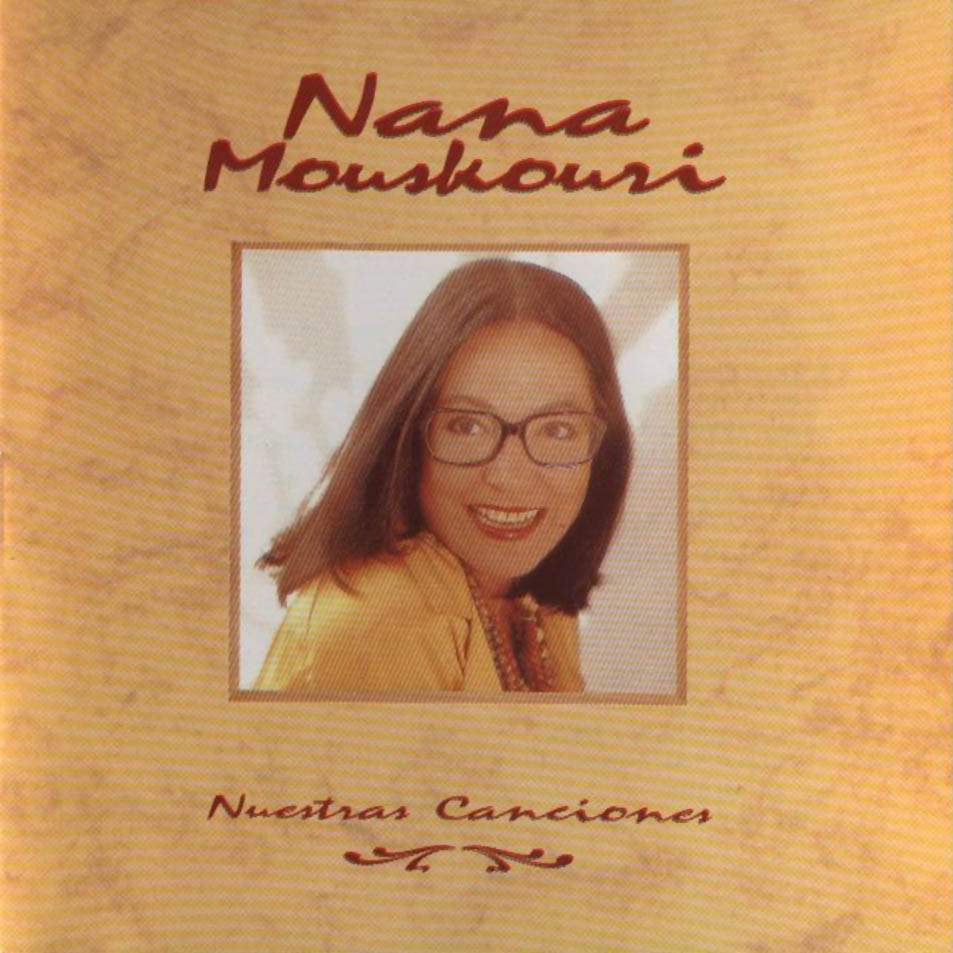
 View Artist