Song Meaning
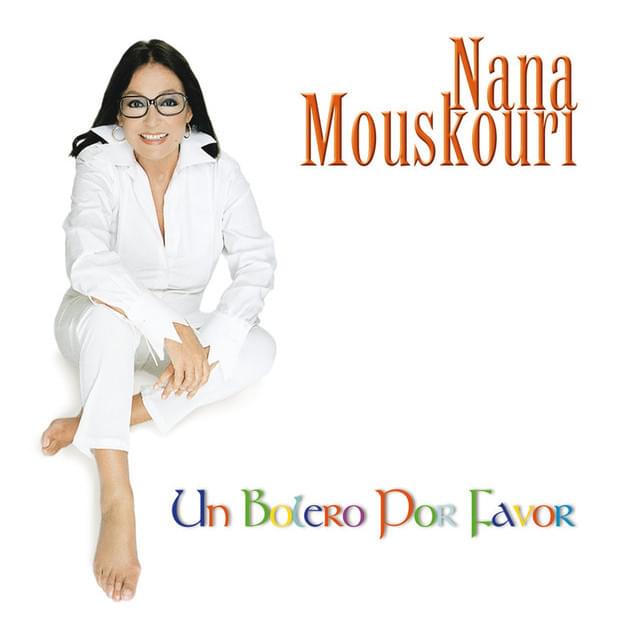
Nana Mouskouri's rendition of "Piensa En Mi" isn't just a song; it's a raw, exposed nerve of longing and dependency. The plea, repeated like a mantra – "Piensa en mí" (Think of me) – transcends simple remembrance; it’s a desperate yearning to remain tethered to the object of affection, even, or perhaps especially, in moments of pain. The lyrics paint a picture of someone utterly consumed, their emotional state inextricably linked to the other person's well-being. It's a classic torch song framework, but Mouskouri imbues it with a particular vulnerability. The singer acknowledges a power imbalance, almost begging for consideration rather than demanding it. The repeated 'Piensa en mi' refrain morphs into a poignant acknowledgement of her own emotional subservience.
The lyrics delve into the paradoxical nature of love and loss. The singer seems to find a twisted solace in the idea that even her lover's sorrow should trigger thoughts of her. It suggests a deep-seated insecurity, a fear of being forgotten or replaced. The lines referencing veneration, "Ya ves que venero / Tu imagen divina," highlight an almost religious devotion. This worshipful stance underscores the singer's willingness to sacrifice her own needs and desires for the sake of the beloved. It's a love that borders on obsession, where the other person's happiness is paramount, even at the cost of her own.
Perhaps the most striking element of "Piensa En Mi" lies in the stark declaration of worthlessness without the beloved. "Cuando quieras / Quitarme la vida / No la quiero / Para nada... / Para nada me sirve / Sin ti..." (When you want to take my life / I don't want it / For anything... / It's no use to me / Without you...). These lines are not mere melodrama; they represent a complete annihilation of self. The singer's identity is so intertwined with the other person that existence itself becomes meaningless in their absence. This level of dependency can be interpreted as a reflection of deep-seated psychological needs, possibly stemming from attachment issues or a fragile sense of self-worth. The song, therefore, becomes a haunting exploration of the darker side of love, where devotion can morph into a form of self-destruction. Mouskouri delivers it with a haunting grace, transforming personal torment into universal expression.
 View Artist