Song Meaning
Nana Mouskouri's plaintive cry, "Où va l'amour," isn't just a question; it's an indictment. The song meaning spirals around a central anxiety: Where does love go when the world seems intent on destroying it? Mouskouri doesn't offer easy answers, instead, she paints a portrait of a world consumed by "la folie des hommes," where indifference has pushed love into some distant, unknown space. The image of the dove, unable to find a place to land, is particularly potent – a symbol of peace and love rendered homeless by human actions. It's a stark commentary on the state of global affairs, filtered through the intensely personal lens of lost affection and hope. This isn't just romantic longing; it's a yearning for a fundamental shift in human consciousness.
The lyrics subtly shift the focus from individual heartbreak to collective responsibility. The question "Aurons-nous la chance d'un jour le revoir?" implicates the listener. It's not just about *her* lost love, but *our* potential to reclaim it. The song delicately juxtaposes the dream of love with the grim reality of a world where everything is going wrong. That tension – between aspiration and actuality – is where the song's emotional weight truly resides. The search for a guiding star amidst the "grisaille" (the grayness) becomes a metaphor for navigating moral ambiguity in a world seemingly devoid of light.
Ultimately, "Où va l'amour" functions as both a lament and a plea. Mouskouri isn't merely mourning the loss of love; she's challenging us to confront our own complicity in its disappearance. The repetition of the central question underscores its urgency. Will love ever trust us again? Will it ever offer us solace? The song doesn't provide closure, but it serves as a powerful reminder of what's at stake if we continue down a path of indifference and destruction. It's a call to action, disguised as a ballad, urging us to actively cultivate love and compassion in a world desperately in need of both.
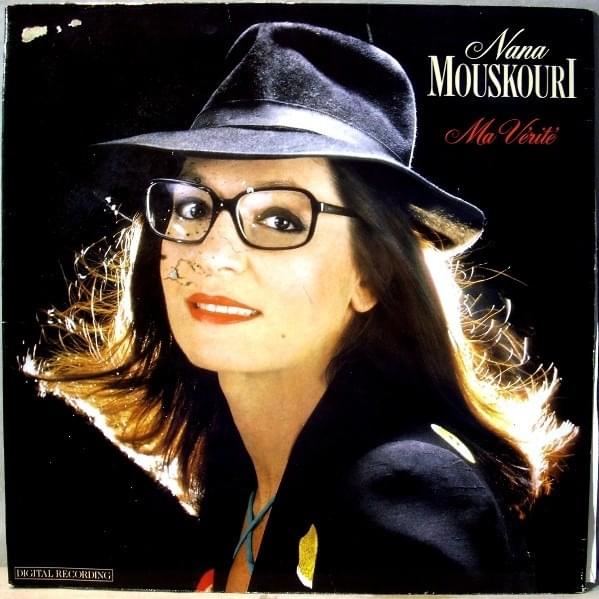
 View Artist