Song Meaning
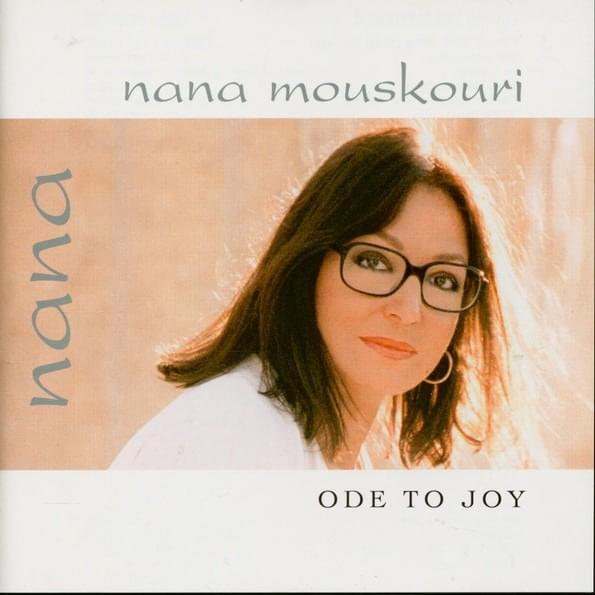
Nana Mouskouri's rendition of "Lullaby (Suo Gan)" isn't merely a song; it's a primal invocation of safety and maternal love, rendered with the crystalline purity that defines her voice. The lyrics, a blend of Welsh and English, transcend language barriers to tap into a universal longing for comfort and security. It's a sonic swaddle, promising protection against the unknown terrors that lurk beyond the warmth of a mother's embrace. The song’s enduring power lies not just in its simple melody, but in its ability to evoke a deeply personal and visceral sense of peace. It brings listeners back to the origin of all comfort.
The core of "Lullaby (Suo Gan)" resides in its unwavering promise: "There shall no one come to harm thee / Naught shall ever break thy rest." These lines aren't just comforting words; they're a shield against existential dread. The lyrics bypass the intellect and speak directly to the limbic system, triggering a release of oxytocin and a profound sense of well-being. Mouskouri's delivery, devoid of artifice, reinforces this sense of authenticity. She's not just singing a lullaby; she's embodying the archetypal mother, offering solace in a world that often feels chaotic and unsafe. The song uses a child as a subject but, because of the song's gentle nature, it appeals to our inner child.
Ultimately, the song's meaning comes from its stark simplicity. Its power lies in its ability to connect us to our most fundamental needs: safety, love, and belonging. In a world saturated with complex and often cynical narratives, "Lullaby (Suo Gan)" offers a refreshing dose of vulnerability and genuine emotion. It is a reminder that, at our core, we all crave the same thing: a safe place to rest our heads and a loving presence to ward off the darkness. It's a testament to the enduring power of maternal love and the simple beauty of a song that speaks directly to the soul.
 View Artist