Song Meaning
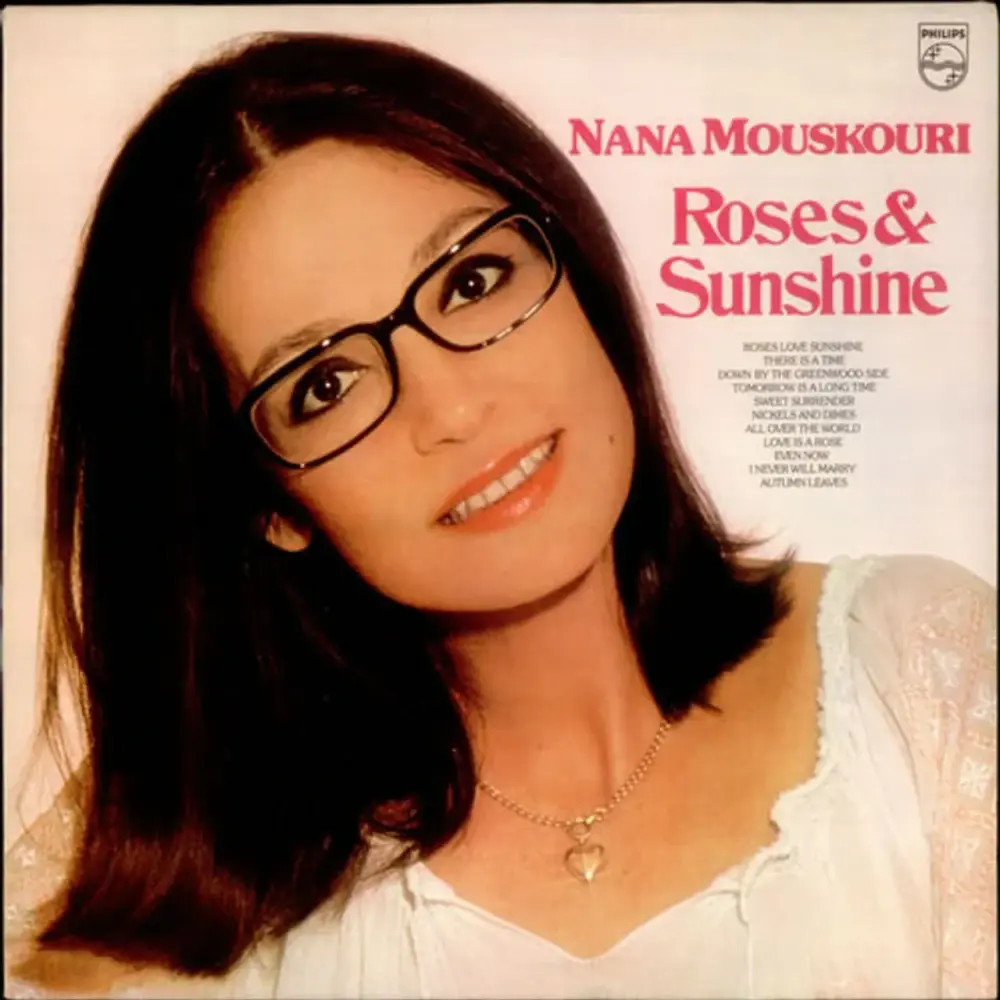
Nana Mouskouri's rendition of "I Never Will Marry" isn't just a rejection of matrimony; it's a portrait of grief so profound it calcifies into a lifelong vow. The opening lines establish love not as the gentle ideal, but as a source of 'only pain,' immediately framing the song's perspective through the lens of loss. The departure of her lover on the 'morning train' becomes a symbol of irrevocable separation, a wound so deep it preempts any future chance at romantic connection. The train whistle's 'long and lonesome moan' isn't just sound; it's an auditory manifestation of the singer's internal state, echoing the desolation that now defines her existence. The simplicity of the lyrics, almost childlike in their directness, amplifies the rawness of the emotion. The repetition of 'He's gone, he's gone like the morning dew' underscores the permanence of the loss; it's not a temporary absence, but a vanishing. This creates a sense of trauma that permeates the song.
The repeated vow, 'I never will marry,' transcends mere personal preference. It transforms into a defiant act of self-preservation. The singer chooses to 'remain single / For the rest of my life' not out of spite or bitterness, but as a shield against further vulnerability. It's a preemptive strike against future heartbreak, a decision rooted in the belief that experiencing such pain again is simply unbearable. The almost stubborn repetition of the chorus acts as a kind of personal mantra, reinforcing her decision and solidifying her resolve.
The final verse, with its reference to the 'change in the winter wind,' introduces a subtle layer of complexity. While acknowledging the natural world's capacity for transformation, and even conceding that 'there's many a change in the young girl's heart,' the singer insists on the unshakeable nature of her own resolve: 'never a change in mine.' This isn't presented as a strength, but as a kind of tragic inflexibility. The song's power lies in its stark portrayal of how profound loss can shape not just our present, but our entire future, locking us into patterns of behavior driven by the fear of re-experiencing past pain. Nana Mouskouri's interpretation highlights the psychological weight of this decision, emphasizing the long shadow that grief can cast over a life.
 View Artist