Song Meaning
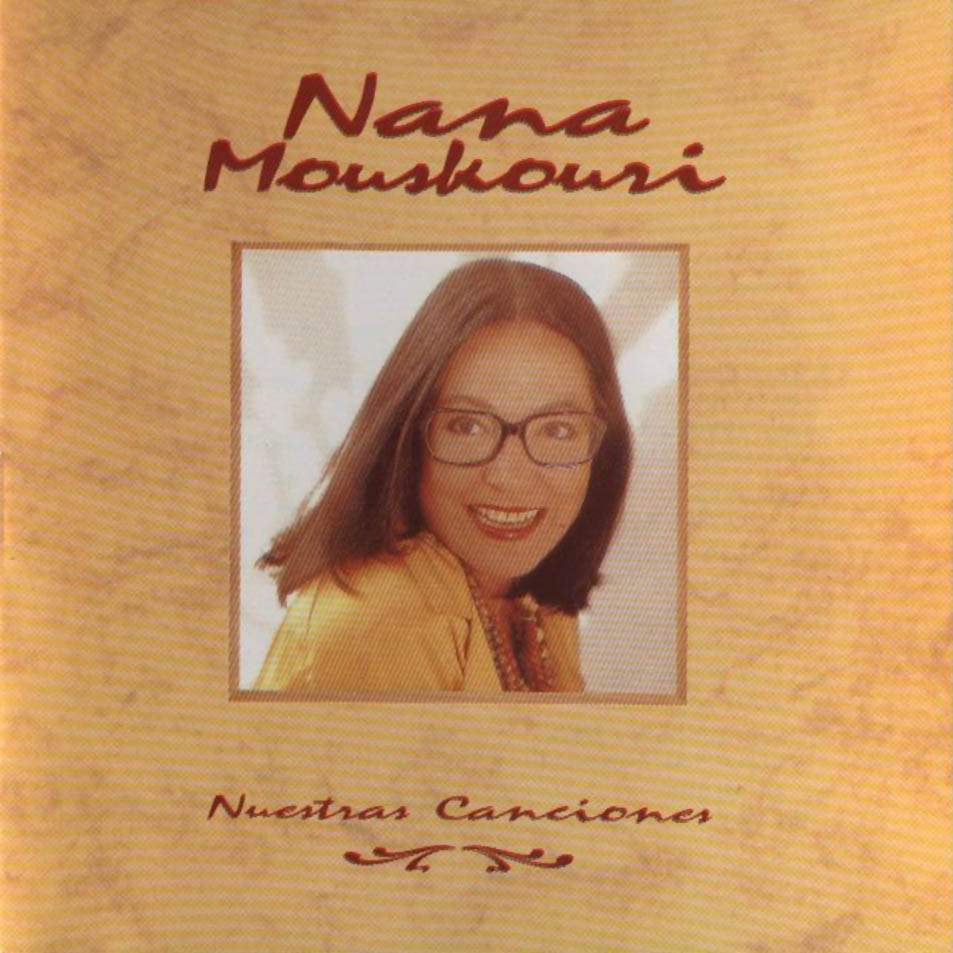
Nana Mouskouri's rendition of "Granada" is less a geographical ode and more a swooning serenade to an idealized, almost mythical place. The lyrics paint Granada not just as a city, but as a vibrant, passionate woman, a muse draped in roses, blood, and sunshine. It's a place where fantasy and melancholy intertwine, where the singer's voice transforms into a "gitano" cry, a raw expression of deep affection. The song transcends simple admiration; it's a lover's ardent declaration. The speaker has nothing of material value to offer, only a song, a bouquet of roses, and a soul full of longing. This offering is both humble and grand, reflecting the duality of Granada itself – a city steeped in history and brimming with life.
The repeated references to roses are particularly potent. They are not just decorative; they are symbolic of Granada's complex beauty: "De sueño rebelde y gitano cubierta de flores." Roses represent beauty, love, and fragility, but also, with their thorns, pain and sacrifice. The "boca de grana jugosa manzana" evokes sensuality and temptation, hinting at a deeper, more intimate connection with the city. The "sangre y de sol" represents both the violence and vitality inherent in Granada's history and present. It acknowledges the darker aspects of the city's past, such as bullfighting, while simultaneously celebrating its vibrant energy and passionate spirit.
The religious imagery, specifically the reference to the "Virgen morena," adds another layer of complexity. Granada is not only a place of earthly delights but also a place of spiritual significance. This connection elevates the song beyond a simple love song, imbuing it with a sense of reverence and awe. The singer's "cantar" becomes a form of worship, a heartfelt offering to a place that embodies both the sacred and the profane. Ultimately, Mouskouri's interpretation of "Granada" is an exploration of idealized love, cultural identity, and the enduring power of place to shape our emotions and desires.
 View Artist