Song Meaning
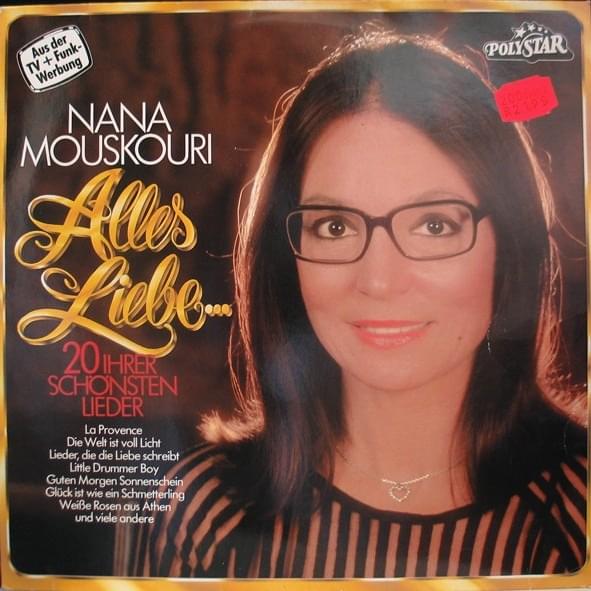
Nana Mouskouri, a titan of global easy listening, grapples with the ephemeral nature of joy in "Glück ist wie ein Schmetterling" (Happiness is Like a Butterfly). The butterfly metaphor, a fragile beauty alighting briefly before flitting away, isn't groundbreaking, but Mouskouri's delivery and the song's inherent melancholic sweetness elevate it beyond simple sentimentality. The lyrics paint happiness as an elusive visitor, a "dearest guest" prone to departure, much like a brightly colored balloon drifting into the sky. This transience is further emphasized by the parallel drawn to a lover; happiness, personified, becomes inextricably linked to the singer's beloved – "my happiness is only you." This codependency hints at a vulnerability beneath the surface of the song's seemingly cheerful melody. It's not just about fleeting joy, but about the precariousness of relying on another for one's own happiness.
The second verse delves deeper into this dependence, revealing the singer's desire for eternal closeness ("I'd love to be with you forever and always"). However, the stark contrast between being with her lover and being alone exposes a deep-seated insecurity. Alone, she feels "sad and small," burdened by "foolish dreams." This internal monologue suggests a struggle with self-worth, where happiness is contingent on external validation and the presence of her beloved. The butterfly metaphor, therefore, becomes more nuanced – it's not just about happiness being fleeting, but about the singer's own fragile emotional state, which makes her happiness vulnerable to external circumstances.
The final verse expands the butterfly imagery to a garden scene. Flowers thrive in the warmth of the summer sun, attracting colorful butterflies. But when rain comes, they are left alone. This reinforces the idea that happiness is conditional, dependent on favorable conditions. The butterflies, symbolic of joy and connection, disappear when times are tough. The concluding refrain, repeating the initial butterfly metaphor, leaves the listener with a sense of bittersweet acceptance. "Glück ist wie ein Schmetterling" isn't a naive celebration of happiness, but a poignant reflection on its impermanence and the human tendency to seek it externally, often at the expense of inner peace.
 View Artist