Song Meaning
Nana Mouskouri's "Berceuse" isn't just a lullaby; it's a glimpse into the tender, yet subtly complex, world of parental love and the promises whispered to a child. The lyrics, simple on the surface, paint a scene of idyllic tranquility where even the flowers and birds are settling into slumber. This imagery creates a safe and comforting space, a refuge from the world's potential anxieties. The repeated invitation to 'Dors, mon petit prince, dors' ('Sleep, my little prince, sleep') reinforces this sense of security, offering a rhythmic reassurance that all is well. But beneath the surface of this gentle serenade lies a hint of the expectations and desires that parents often project onto their children.
The second verse introduces a subtle layer of complexity. The singer speaks of providing endless joy and pleasure, of toys and treasures galore, 'if he sleeps and doesn't cry.' This conditional love, while perhaps unintentional, speaks to the inherent human desire to shape and influence our offspring. It hints at the parent's own needs and anxieties, subtly linking the child's behavior to their own happiness. This isn't a harsh or critical observation, but rather a recognition of the delicate dance between unconditional love and the unspoken expectations that often color our relationships, especially between parent and child. The repetition of 'Ah! Dors,' transforms from a simple soothing sound into a more insistent wish.
Ultimately, "Berceuse's" song meaning resides in its delicate balance. It's a lullaby, yes, a sweet and gentle promise of safety and comfort. But it's also a quiet reflection on the hopes, dreams, and perhaps even the subtle pressures that accompany the profound responsibility of parenthood. Mouskouri's ethereal voice elevates the song beyond a mere bedtime ritual, turning it into a poignant meditation on the complexities of love and the enduring power of a parent's whispered words.
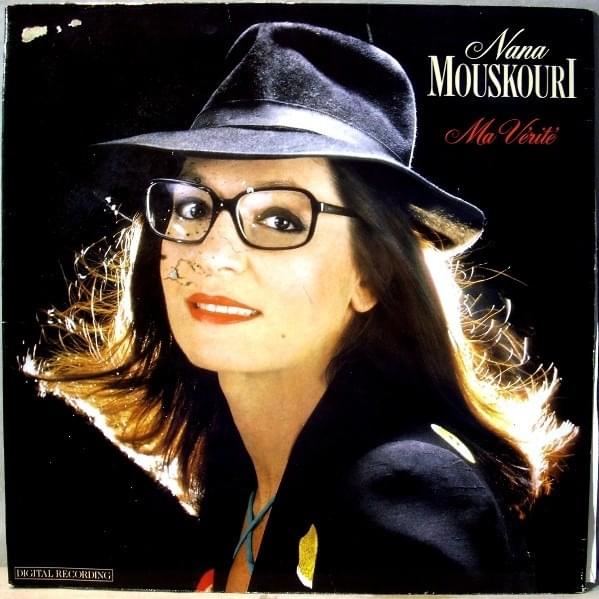
 View Artist