Song Meaning
Nana Mouskouri's rendition of "Aux marches du palais" presents a deceptively simple tableau, a folk song that whispers of profound choices and the quiet drama of everyday love. The lyrics, seemingly a straightforward narrative, unfold with the symbolic weight of a medieval tapestry. We find a beautiful girl besieged by suitors, a familiar trope, yet the narrative quickly subverts expectations. It's not a knight or a nobleman who wins her favor, but a humble shoemaker, a 'petit cordonnier.' This choice immediately grounds the song in the realm of the ordinary, suggesting a preference for authenticity over superficial grandeur. The repetition of phrases, 'lon la,' acts as both a melodic anchor and a subtle reminder of the cyclical nature of courtship and commitment. It's a timeless rhythm, echoing through generations. The phrase 'aux marches du palais' (at the palace steps) is likely a metaphor for the public sphere, where choices are made and lives are lived, rather than an actual palace.
The shoemaker's proposal, delivered while fitting her shoe, is both practical and tender. He doesn't offer riches or status, but a shared intimacy: 'La belle si tu voulais, nous dormirions ensemble.' This invitation to share a bed, a life, is framed with an almost dreamlike quality in the subsequent verses. The 'grand lit carré' covered in white linen evokes purity and domesticity, while the 'quatre bouquets de pervenches' (periwinkles) at each corner add a touch of delicate beauty, a hint of wildness tamed. These are not symbols of extravagant wealth, but of a carefully cultivated, shared space.
However, the imagery takes a darker, more surreal turn with the introduction of the deep river in the middle of the bed, so vast that 'tous les chevaux du roi' could drink from it. This sudden shift introduces an element of the unknown, the potential for emotional depths and hidden dangers within even the most intimate relationships. Is it a metaphor for the tears that may be shed, the secrets that may be kept, or the vastness of the emotional landscape that two people navigate together? The final verse offers a sense of enduring commitment: 'Et nous y dormirions, jusqu'à la fin du monde.' Despite the potential for turbulence, the song ultimately affirms the power of love to transcend earthly concerns, offering solace and companionship until the very end.
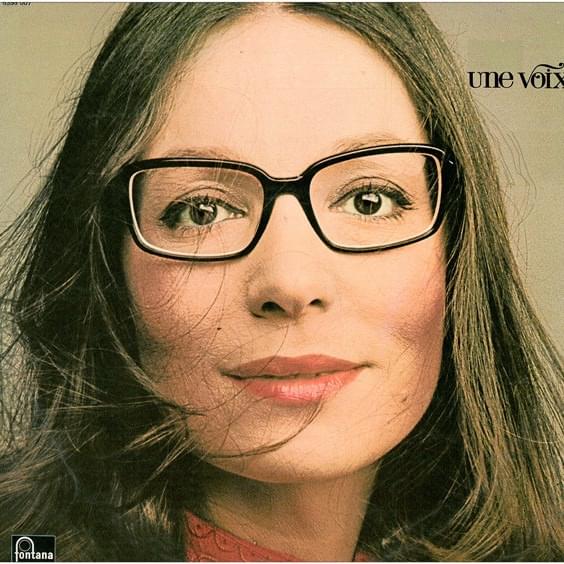
 View Artist