Song Meaning
The lyrics paint a picture of a relationship teetering on the edge, marked by a peculiar, recurring reference to German Expressionism. The narrator urges their partner to remember this art movement when they go to bed, a plea that feels both specific and strangely abstract, hinting at a shared experience or a significant, perhaps unsettling, conversation. This artistic touchstone seems to represent a complex emotional state or a pivotal moment the narrator desperately wants to preserve, or perhaps ensure their partner doesn't forget.
The core tension lies in the narrator's internal conflict and their perception of the partner's evolving feelings. The narrator admits to a "confusão / Do meu coração," suggesting a significant emotional turmoil that they believe the partner might eventually understand or even confirm. However, this understanding leads not to reconciliation, but to the narrator's decision to "desisti" – to give up – placing the onus on the partner to "insistir." This shift from shared memory to individual responsibility creates a palpable sense of emotional distance and unresolved issues.
The most striking element is the juxtaposition of high art with mundane anxieties and bizarre scenarios. The reference to German Expressionism, known for its distorted reality and intense emotion, is contrasted with practical advice like "não esquece o guarda-chuva" and a fear of flying. The potential for the situation to devolve into a "filme de terror" or a "drama no cazaquistão" injects a dark, almost absurd humor, suggesting that the underlying emotional stakes feel disproportionately high and potentially catastrophic to the narrator.
This lyrical approach is effective because it grounds abstract emotional states in concrete, albeit unusual, imagery. The repeated insistence on remembering German Expressionism acts as an anchor, a strange shared secret or warning. The narrator’s willingness to admit their own heart's confusion while simultaneously demanding the partner take up the fight creates a compelling portrait of someone grappling with the end of a relationship, using art and absurdity as a shield and a final, desperate plea for recognition.
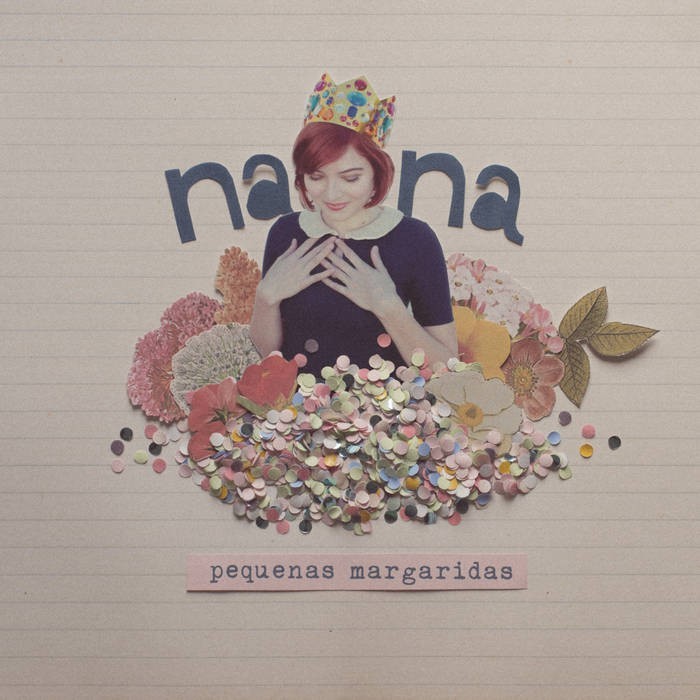
 View Artist