Song Meaning
The lyrics open with a scene of quiet observation by a river, quickly shifting to a deep sense of resignation. The narrator watches life unfold – the river's flow, a canoe passing – but admits to seeing it all "sem poder reclamar." This immediate admission of helplessness sets a melancholic, reflective tone.
This resignation quickly turns inward, revealing a profound sadness. The act of lighting a pipe and remembering the past leads directly to tears: "Lembrei do passado e chorei." The only solace seems to be found in music, as the narrator picks up a viola, but even that leads to a nap, a deliberate escape into sleep where the true emotional core of the lyrics unfolds.
The dream sequence is where the emotional landscape truly blossoms. The shift from a passive, sorrowful reality to an active, joyful fantasy is stark. The narrator dreams of a beloved figure next to them, engaged in intimate acts like braiding hair and smiling, a vivid vision of them singing. This surge of joy in the dream is a powerful contrast to the earlier inability to complain or the tears shed in reality, especially as the beloved's "canto saudoso a chamar" (longing song calling) subtly mirrors the narrator's own deep yearning.
The power of these lyrics lies in this vivid contrast and the abrupt, yet inevitable, return to reality. The dream isn't just a pleasant diversion; it's a potent, almost tangible reunion, filled with sensory details like sweet kisses. Waking from this "sonho bonito" (beautiful dream) isn't just an end to sleep, but a return to the very sadness that prompted the escape. The lyrics effectively capture the bittersweet nature of cherished memories and longed-for connections, where the beauty of the dream only sharpens the ache of its absence.
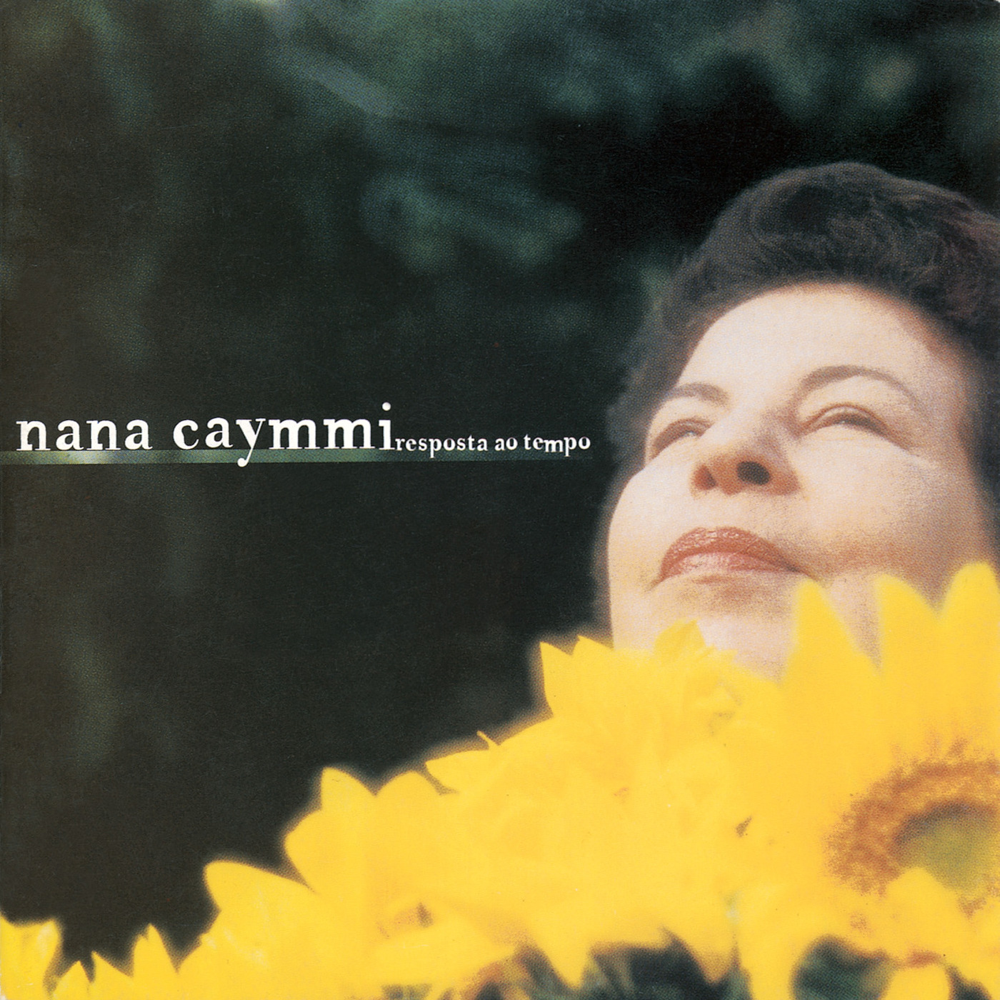
 View Artist