Song Meaning
The lyrics immediately plunge into a deep sense of longing and isolation. A speaker grapples with the physical absence of a loved one, expressed through the poignant "Que saudade Nesta solidão." This distance creates a profound ache, yet the connection remains powerfully intimate. It's a raw expression of deep emotional missing.
The core tension lies in the paradox of the beloved being physically distant yet emotionally close to the heart. This isn't just a statement of fact; it's the very source of the speaker's anguish, leading to a desperate cry of "Quanta dor." The uncertainty of "Sem saber como vai meu amor" amplifies this helplessness, adding anxiety to the sorrow of separation.
The lyrics brilliantly personify the heart, transforming it from a mere organ into an active participant in the suffering. The speaker commands, "Coração, bate mais Sofre Canta," urging it to intensify its beat, to feel the pain, and even to "sing." This isn't a joyful song, though; it's a desperate attempt to project the internal "meus 'ais'" – the sighs and groans of sorrow – across the distance, hoping the beloved hears them.
The effectiveness of these lyrics stems from their unvarnished emotional honesty and repetitive structure. The constant return to the central theme of longing in solitude, punctuated by escalating expressions of pain and the direct appeal to the heart, creates a powerful, almost hypnotic lament. It captures the relentless nature of deep missing, where the mind circles back to the same ache, making the listener feel the weight of that persistent, unfulfilled desire for connection.
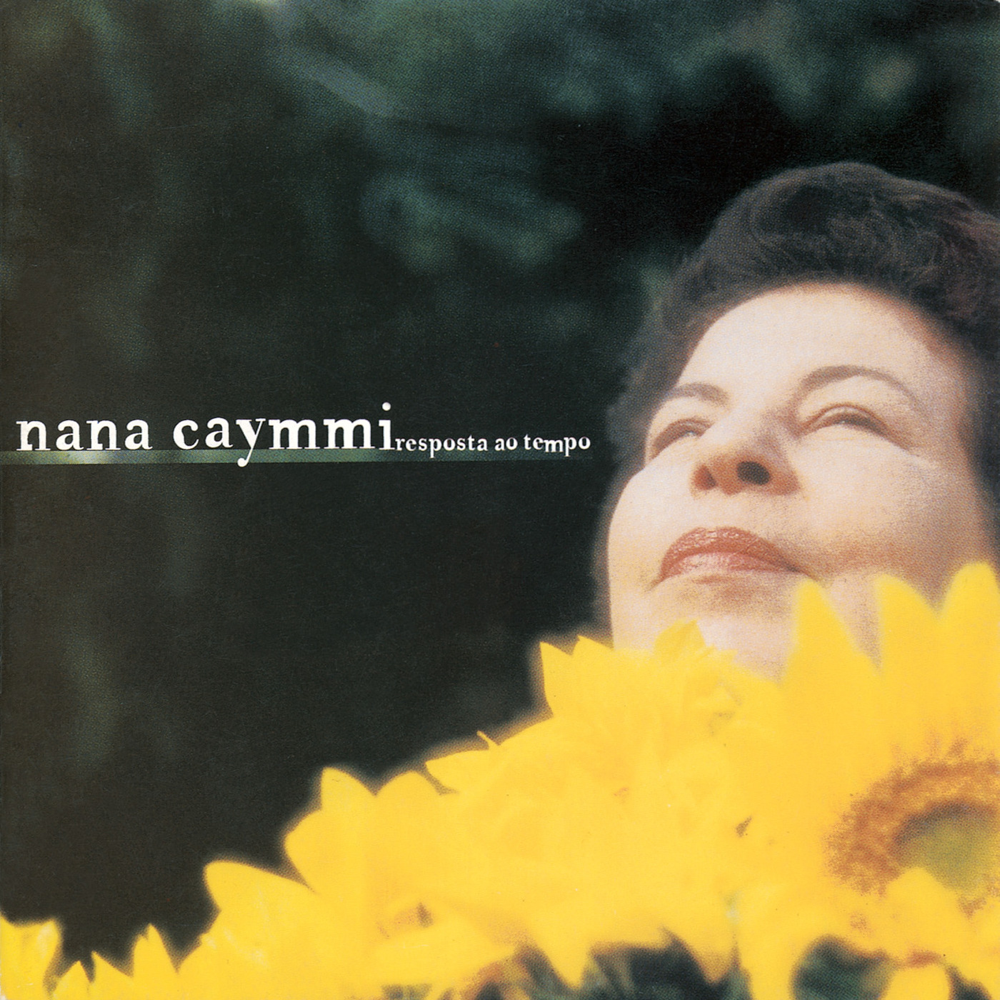
 View Artist