Song Meaning
Yehreklak Albak" opens with a torrent of raw, almost ancient curses. The speaker wishes intense suffering upon someone who has caused them profound pain. This immediate, visceral outpouring establishes a tone of deep betrayal and a desire for mirroring retribution. It's an unfiltered expression of hurt.
The lyrics quickly pivot to the source of this anguish: a betrayal so deep it "killed my laughter." There's a poignant moment of disbelief, where the speaker admits to having "disbelieved my eyes," unable to accept the harsh reality of the other person's actions. This internal conflict highlights the shock and the profound rupture of trust. The pain is palpable, rooted in a relationship that has turned sour.
A powerful craft element emerges in the use of traditional proverbs, like the one about how "who drinks from a well" shouldn't then throw stones into it. These lines elevate the personal grievance, framing the betrayal as a timeless act of ingratitude. Intriguingly, the speaker claims, "I won't gloat if you fall," yet immediately predicts the other's future suffering, creating a compelling tension. This contradiction reveals a complex emotional state, balancing a desire for dignity with an undeniable urge for justice.
The lyrics' effectiveness lies in this blend of raw, personal emotion with universal moral pronouncements. The vivid, almost poetic curses, combined with the wisdom of the proverbs, make the speaker's pain feel both intensely personal and universally resonant. It captures the complex, often contradictory emotions of heartbreak and anger. The writing works on the listener by presenting a speaker who is both deeply wounded and fiercely righteous, demanding accountability for a profound wrong.
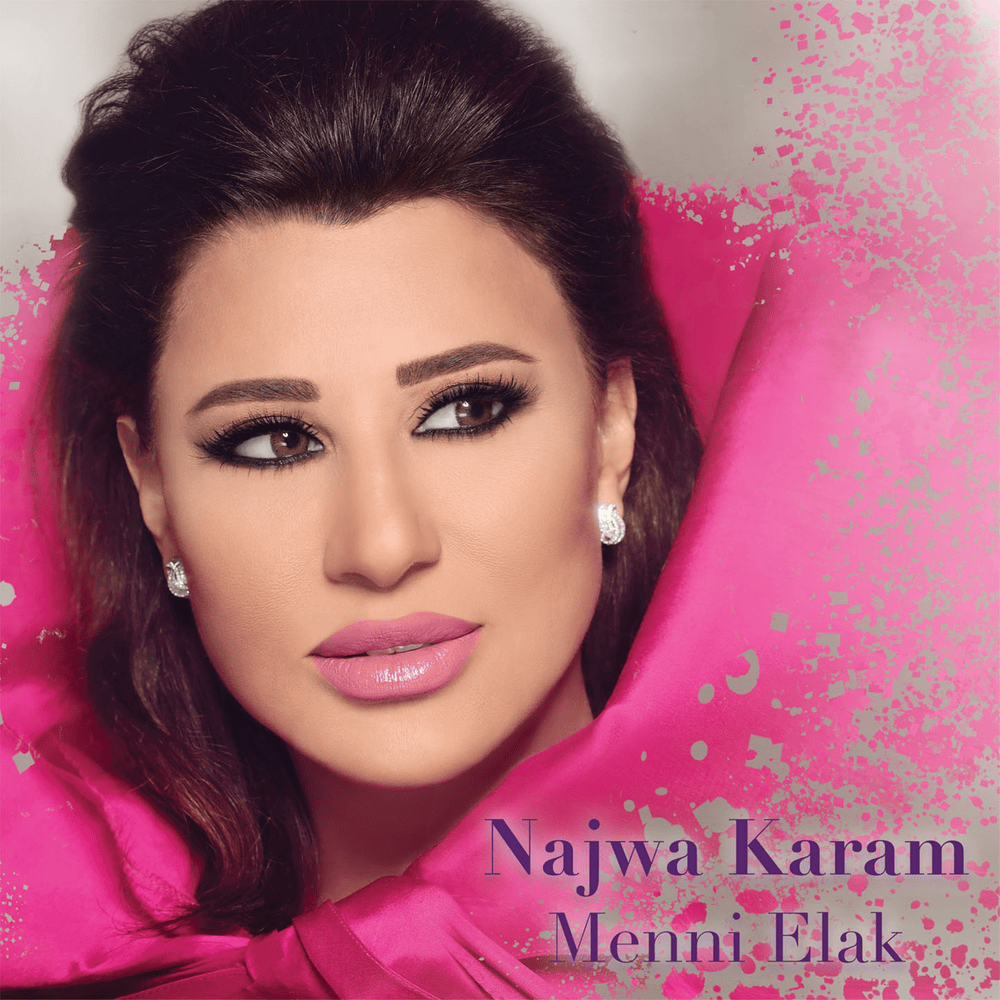
 View Artist