Song Meaning
These lyrics immediately drop the listener into a painful, cyclical narrative. The speaker is caught in a pattern, repeatedly hurt by a lover for the "تالت مره" (third time), yet unable to learn or escape. There's a raw acknowledgment of deep suffering, a love so consuming it feels like a torment.
The central tension here is the stark contrast between the speaker's visible anguish and the lover's profound indifference. The lyrics paint a picture of tears in the speaker's eyes, ignored by a partner who "ما بتسالني" (doesn't ask me) and remains harsh and uncomprehending. This emotional neglect intensifies the speaker's isolation, leaving them to internally plead with their own heart for future understanding.
What truly elevates these lyrics is the dramatic pivot from external blame to intense self-recrimination. Initially, the lover is the agent of pain, but the speaker ultimately takes responsibility, declaring "الحق عليا" (the right is on me) and admitting, "غلطانه وبعرف" (I am wrong and I know). This self-blame is underscored by the powerful image of having willingly surrendered their heart "بايديا" (with my own hands), suggesting a conscious choice in their own suffering.
These lyrics hit hard because they articulate the agonizing paradox of destructive love: the conscious awareness of being repeatedly wounded, the inability to break free from the cycle, and the ultimate, heartbreaking internalization of fault. The raw honesty of this self-inflicted torment, despite the lover's clear role, creates an emotionally resonant and deeply poignant experience for the listener.
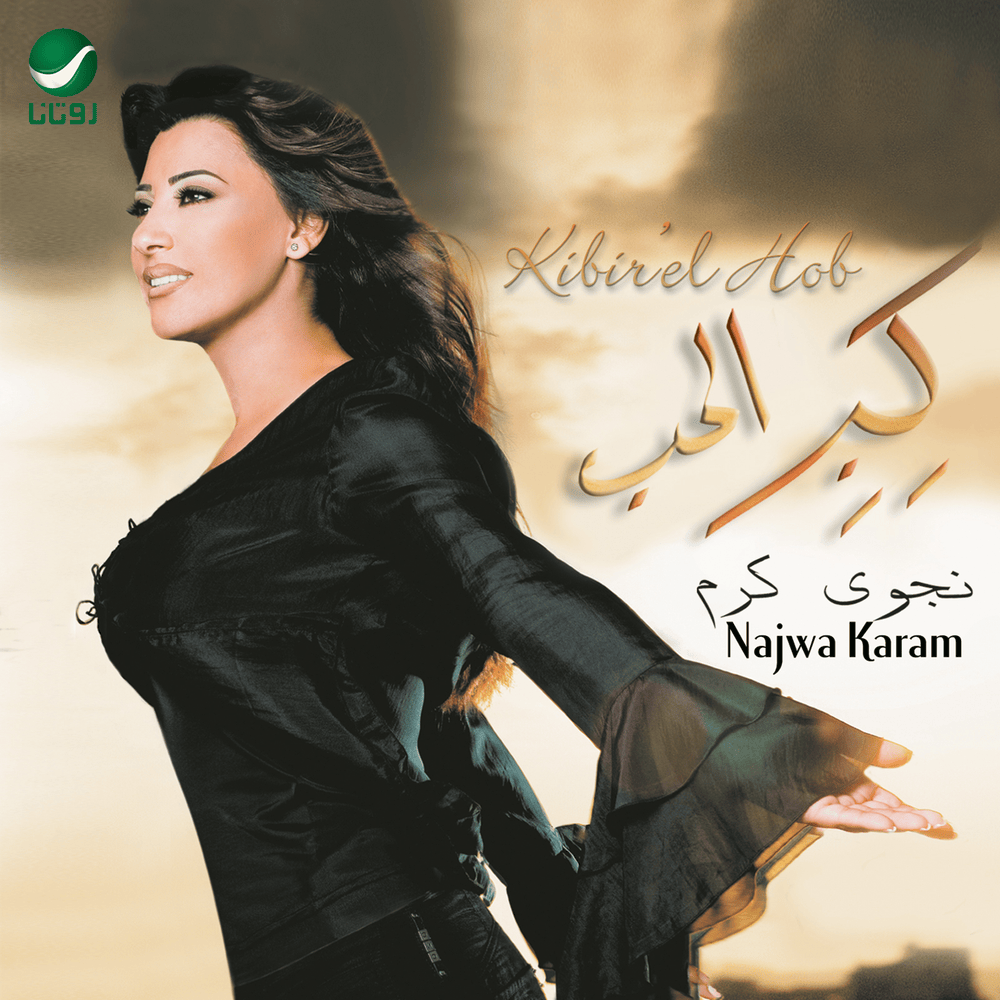
 View Artist