Song Meaning
The lyrics paint a picture of a relationship stuck in a frustrating cycle of conflict and retreat. The repeated phrase "Ci diamo contro e poi Torniamo un passo indietro" (We clash and then We take a step back) perfectly encapsulates this dynamic, suggesting a pattern of intense arguments followed by a return to the status quo, leading to a feeling of being trapped in "Un vicolo cieco" (A dead end). This cyclical nature is underscored by the insistent "Eh no, Eh no, Eh no," a vocalization of exasperation and resignation.
The narrator seems to be grappling with the difficulty of making choices, noting that "Dovere scegliere è una brutta cosa" (Having to choose is a bad thing), but also that "Sapere scegliere è la propria forza" (Knowing how to choose is one's strength). This internal conflict highlights a struggle between the burden of decision-making and the recognition of its necessity. The line "Ricorderò sempre quegli sguardi solo noi" (I will always remember those looks, just us) hints at a past intimacy or shared experience that now contrasts with the present difficulties.
A particularly poignant observation is the tension between words and eyes: "Le parole ti mento / Fino ad oggi gli occhi no" (Words lie to you / Up until today, eyes don't). This suggests a deep-seated trust in non-verbal communication, implying that while spoken reassurances might be false, the truth is reflected in the eyes. However, the lyrics also introduce a pragmatic, almost harsh reality: "L'amore infrange regole / Se c'è un figlio da perdere" (Love breaks rules / If there's a child to lose), indicating that external pressures or responsibilities can override personal desires or relationship dynamics.
The core emotional thrust lies in the advice to "Vivi senza aspettarti mai niente" (Live without ever expecting anything), a philosophy born from the painful realization that expecting things, whether from a relationship or life itself, only leads to disappointment and stagnation. The narrator's careful consideration, "Penso tutto ti andrà molto meglio" (I think everything will go much better for you), suggests a desire for the other person's well-being, even if it means accepting the futility of their current situation together. The repeated "Non ci resta tempo" (We have no time left) adds a layer of urgency, making the cyclical arguments and the inability to move forward feel even more tragic.
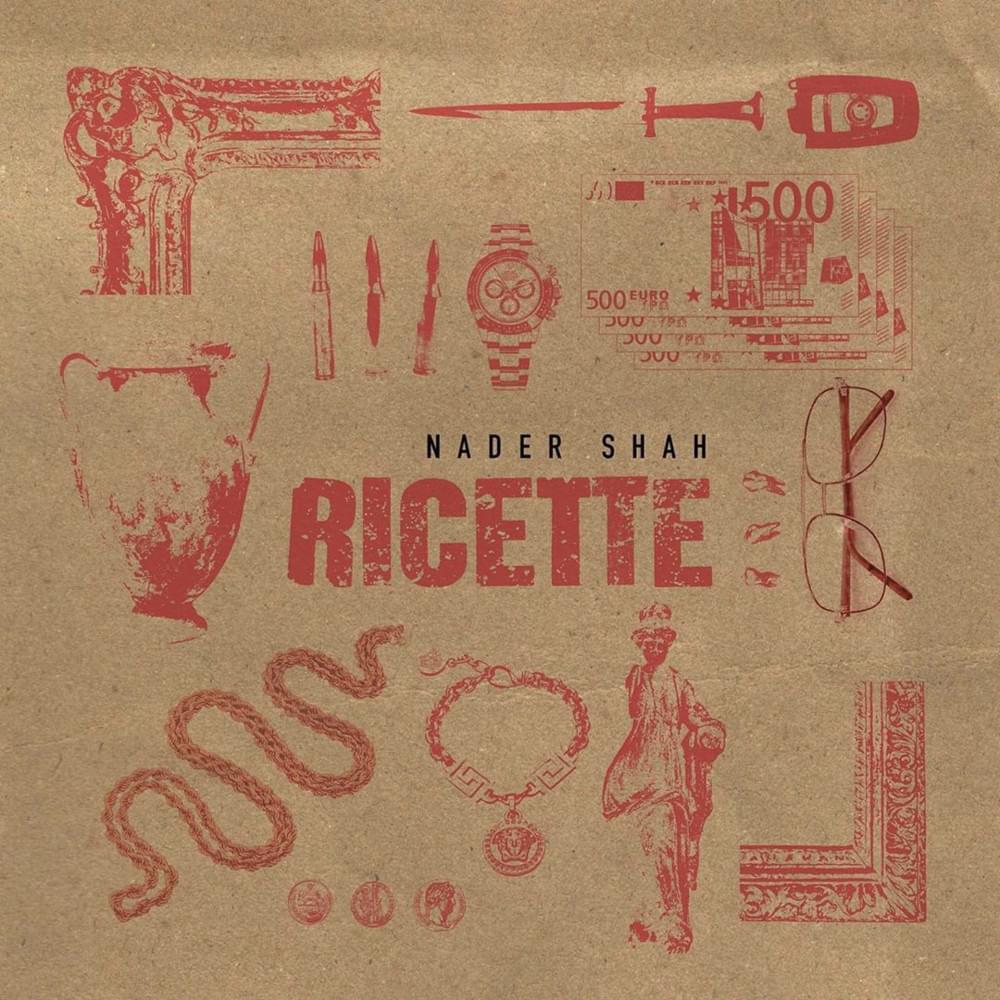
 View Artist