Song Meaning
Nada's "Marlene" is a haunting exploration of idealized love and the quiet desperation of self-effacement within a relationship. The speaker positions herself as "Marlene," a figure shrouded in mystery and devotion, perhaps a reference to Marlene Dietrich, the iconic actress known for her enigmatic persona and captivating allure. The lyrics suggest a deliberate act of hiding and conforming to the desires of a distant lover, finding solace and identity in this manufactured role. There's a vulnerability laid bare in the lines "Ho poco tempo, ma / Lo uso solo per te," hinting at a sacrifice of self for the sake of connection, however fragile. The repeated invocation of "Marlene" becomes a mantra, a way to both embody and perhaps escape into this constructed identity.
The recurring imagery throughout the song—silk dresses, snow-like caresses, moonstones, and foam-filled nights—paints a dreamlike, almost ethereal portrait of this "Marlene." Yet, beneath the surface of romance lies a darker undercurrent. The mention of "guerra" (war) and the fleeting comfort of cold beer suggest a world of pain and disillusionment. The plea, "Non farmi male / Tu devi andare" (Don't hurt me / You have to go), exposes the painful realization that this idealized love may be unsustainable, even destructive. The juxtaposition of life's brevity with the desire to "let love make you die" is a striking commentary on the intoxicating and potentially self-destructive nature of passionate surrender.
The true song meaning of "Marlene" resonates in its bittersweet ambiguity. Is the speaker truly content in her role as a devoted, enigmatic lover, or is she trapped within its confines? The way Nada sings the chorus "E mi fai la vita sciogliere" (And you make my life melt) suggests both a blissful surrender and a loss of control. The repetition of "Marlene" isn't just an affirmation; it's a question posed to the listener: how much of ourselves are we willing to sacrifice in the name of love, and at what cost?
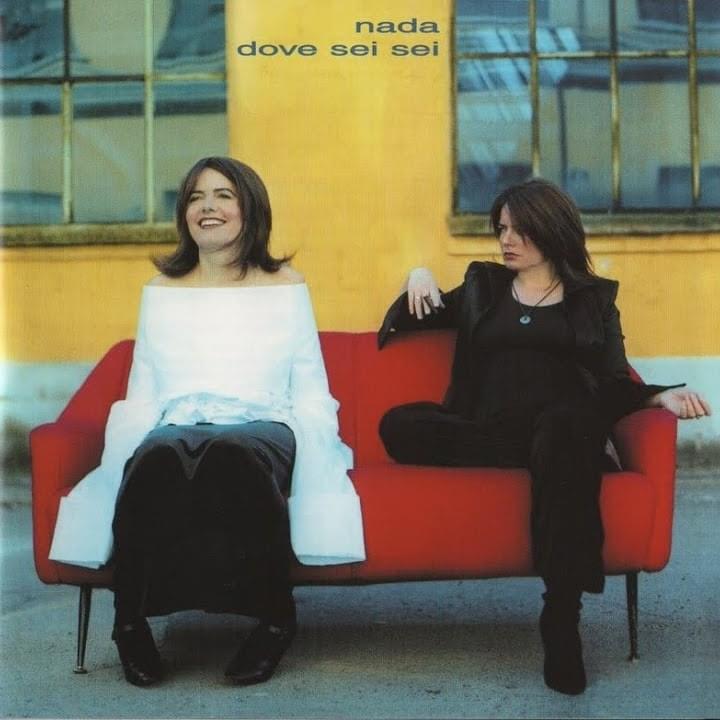
 View Artist