Song Meaning
{"song_id": 15275573, "meaning": "Nada's \"Ma chi è che dorme insieme a me\" isn't a simple tale of a morning-after regret; it's a subtly unsettling exploration of dissociation and the search for meaning within a fragmented self. The opening paints a picture of physical and mental discomfort – a heavy head, a bitter taste, a lost night. The protagonist's desperate attempt to anchor herself in the present by making coffee hints at a deeper unease. The central question, \"Ma chi è che dorme insieme a me\" (\"Who is sleeping with me?\"), becomes less about a literal bedmate and more about a stranger within her own skin. This stranger is both alluring (\"Ma come è bello\") and terrifying, representing a lost connection to her own actions and desires. The lyrics analysis suggests a deeper exploration of self-alienation.
The recurring line about forgetting what happened the previous night is key. It's not just amnesia; it's a symbolic representation of a life lived on autopilot, detached from genuine experience. The desire to take this stranger to the park, to engage in a simple, almost childlike activity, speaks to a longing for innocence and a desire to reconstruct a coherent narrative of the self. The hope that \"he will tell me what I did last night\" is a poignant admission of her own lost agency. She's searching for someone, anyone, to give her back the missing pieces. The lyrics depict a feeling of lost control.
The final verses, where she apologizes for waking him because she \"needs a trip\" in the afternoon, further complicates the song meaning. This \"trip\" is ambiguous – it could be a literal escape through drugs or alcohol, or a metaphorical journey to reconnect with herself. Regardless, it underscores the cyclical nature of her dissociation. The beauty of the stranger is fleeting, a temporary distraction from the underlying emptiness. Ultimately, \"Ma chi è che dorme insieme a me\" is a haunting reflection on identity, memory, and the struggle to find oneself when lost within the labyrinth of one's own mind. Nada uses deceptively simple language to create a complex and emotionally resonant portrait of a fractured psyche."}
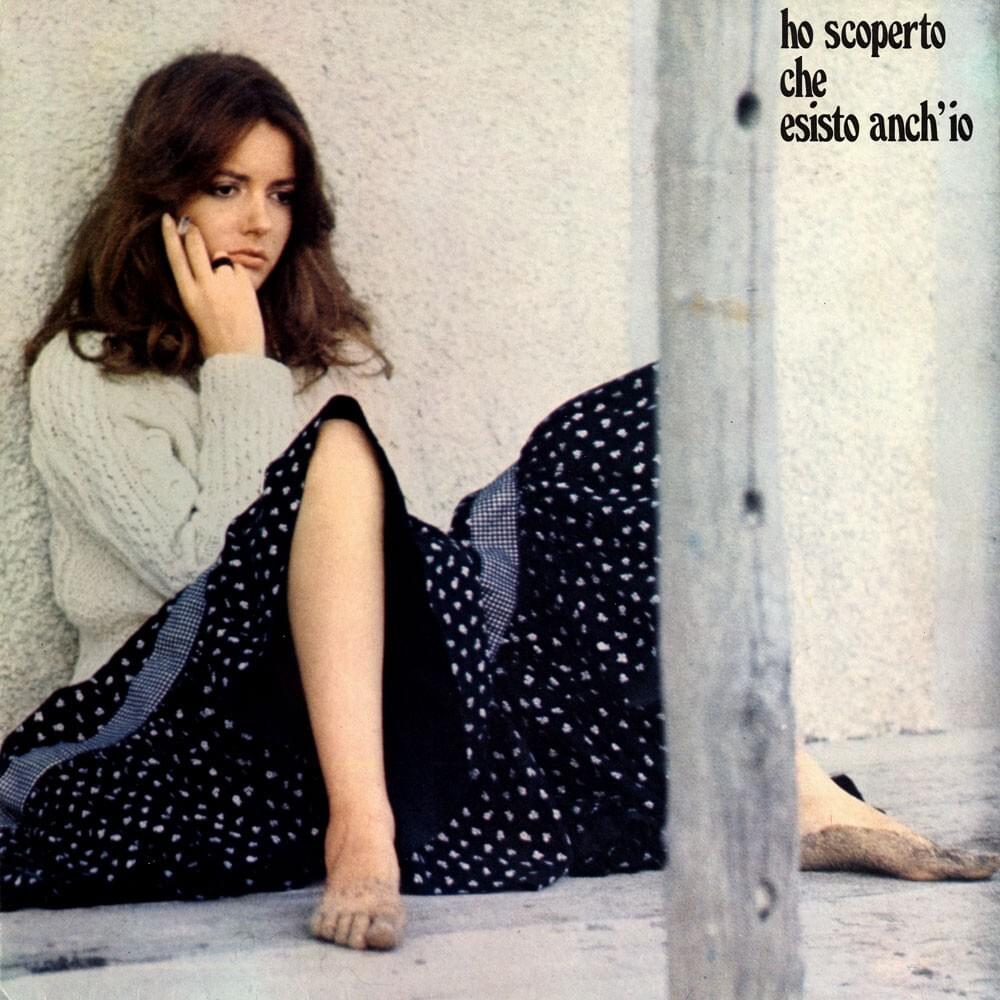
 View Artist