Song Meaning
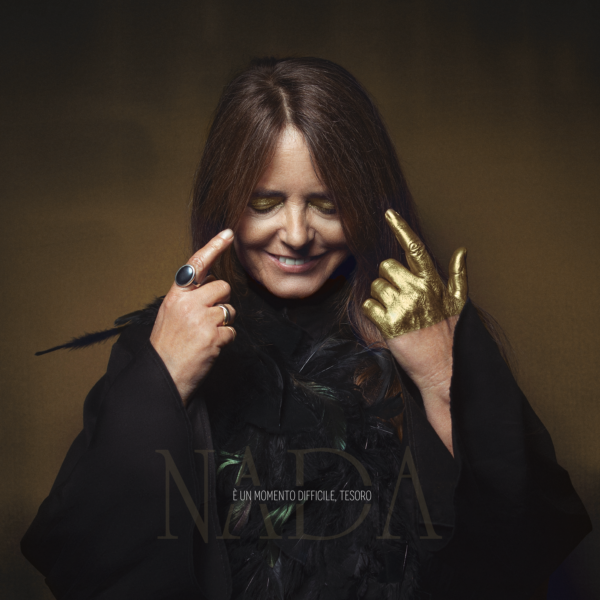
Nada's "È un momento difficile, tesoro" isn't just a song; it's a raw, exposed nerve of vulnerability set to music. The direct translation, "It's a difficult moment, darling," barely scratches the surface of the emotional landscape Nada paints. The repetition of "Ti amo da sempre, sempre ti amerò" ("I've always loved you, I will always love you") acts as a desperate anchor, a plea hurled into the void of her current suffering. This isn't a declaration of strength, but a confession of need, amplified by the stark admission, "Non ho niente da perdere" ("I have nothing to lose"). It's the kind of statement that hangs heavy in the air, thick with unspoken anxieties. The song meaning resides in the tension between unwavering love and overwhelming despair.
The imagery deployed throughout the lyrics analysis pulls no punches. "La mia testa non vola / È una vita / È una bottiglia / Una tristezza" ("My head doesn't fly / It's a life / It's a bottle / A sadness") collapses grand existential ideas into the mundane objects of coping. The bottle, a classic symbol of escape and self-medication, underscores the feeling of being trapped. Nada's lament that her heart no longer follows her suggests a profound disconnect, a loss of inner direction and motivation. This internal fracture is further emphasized by the acknowledgement of her weaknesses and fragilities, laid bare before the object of her affection.
Ultimately, "È un momento difficile, tesoro" transcends its simple construction, becoming a powerful testament to the human need for connection during times of crisis. The repetition of the title phrase isn't just a chorus; it's a mantra, a desperate attempt to verbalize and thereby contain the overwhelming difficulty of the present. The plea, "Tienimi sulle gambe, fammi stare al sole" ("Hold me on your legs, let me stay in the sun") is childlike in its simplicity, a yearning for comfort and warmth in the face of a world that feels cold and unforgiving. Nada doesn't offer solutions or resolutions; she simply offers honesty, making the song a poignant and deeply relatable expression of human frailty.
 View Artist