Song Meaning
The lyrics paint a stark picture of perceived inequality in emotional experience. The narrator directly addresses someone for whom life seems effortlessly easy, stating, "Tebi je lako, tebi je dato" (It's easy for you, it's given to you). This person is depicted with a "Sreća u oku, osmeh na licu" (Happiness in the eye, smile on the face), suggesting a life unburdened by the narrator's own struggles.
The central tension arises from this perceived disparity. The narrator questions the other person's lack of concern for a woman who carries deep feelings, asking, "Šta te briga za jednu ženu" (What do you care about one woman?). This highlights a painful disconnect, where the narrator's profound love and sorrow are seemingly invisible or insignificant to the object of their affection, who is free to "voliš opet, da voliš jače" (love again, love stronger).
The most striking element is the contrast drawn between outward appearances and inner reality. The repeated line, "Naizgled su samo isti ljudi svi" (Apparently, we are all just the same people), is immediately undercut by the powerful assertion, "Al' po duši i po srcu nismo isti mi" (But by soul and by heart, we are not the same). This emphasizes that while people may look alike, their internal emotional landscapes and capacity for suffering or joy can be vastly different, creating a profound sense of isolation for the narrator.
This lyrical construction effectively conveys a feeling of deep injustice and emotional loneliness. The direct address and the stark contrast between the two individuals' experiences make the narrator's pain palpable. It’s this raw articulation of feeling unseen and unacknowledged in the face of another's apparent ease that makes the lyrics resonate, capturing the ache of unrequited emotional depth.
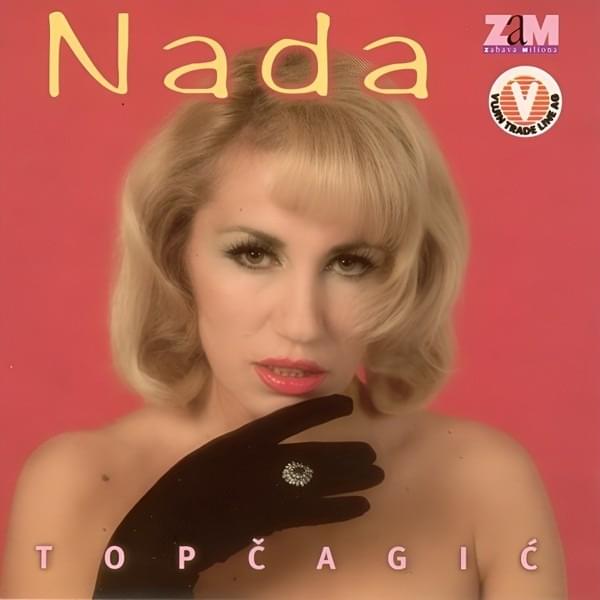
 View Artist