Song Meaning
The lyrics paint a stark portrait of an orphan, a solitary figure wandering the world with only a accordion for company. This opening establishes a profound sense of isolation, with the narrator explicitly stating, "Nigde nikog nemam svog" – "I have no one of my own." The image of the accordion, a portable instrument often associated with folk music and a certain melancholic charm, becomes the sole companion in this desolate existence. It's a poignant visual that immediately grounds the listener in the character's lonely reality.
The central tension lies in the stark contrast between what the orphan lacks and what he possesses. The lyrics repeatedly emphasize the absence of parental figures and material wealth: "'Mesto majke, 'mesto oca" (Instead of mother, instead of father) and "'Mesto zlata, 'mesto novca" (Instead of gold, instead of money). These voids are filled not with comfort or security, but with "suze širom sveta" (tears across the world) and "pesmu siročeta" (the orphan's song). This reframing suggests that the orphan's identity and his only inheritance are his sorrow and his music, a bittersweet exchange.
The most striking aspect of the craft is the persistent, almost ritualistic repetition, particularly in the chorus and verses. This isn't just for emphasis; it mirrors the cyclical nature of the orphan's life and the unending sorrow that defines it. The phrase "budi suzu kamenu" (awakens a stone tear) is particularly evocative, suggesting a profound, almost petrified grief that the music itself can only stir, not necessarily alleviate. The accordion, described as being "kvase suze" (wet by tears), becomes a tangible manifestation of this deep, ongoing sadness, blurring the lines between the instrument and the emotion it carries.
Ultimately, the effectiveness of these lyrics stems from their unvarnished portrayal of loss and resilience through music. The narrator doesn't shy away from the bleakness, but by consistently linking the orphan's existence to his song, the lyrics suggest a form of survival. The music becomes both a testament to his suffering and his sole means of expression, a way to carry his burden and perhaps, in a small way, to connect with the world despite his profound isolation. It’s a raw, unflinching look at finding one's voice in the face of utter destitution.
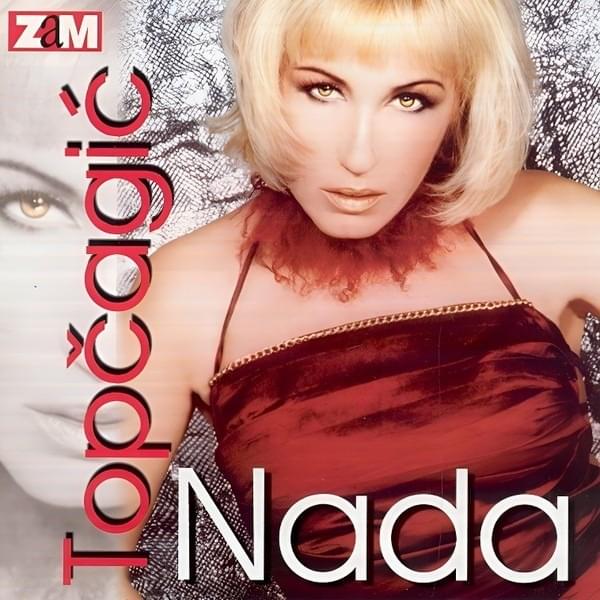
 View Artist