Song Meaning
The lyrics paint a picture of someone deeply affected by another's loneliness. The repeated assertion, "Svako nekog ima, a ti nikoga" (Everyone has someone, but you have no one), immediately establishes a stark contrast between the general state of companionship and the subject's isolation. This isolation isn't just observed; it's contagious, causing the narrator sleepless nights, a powerful indicator of empathy or perhaps a shared burden. The narrator's own peace is disrupted by this perceived solitude.
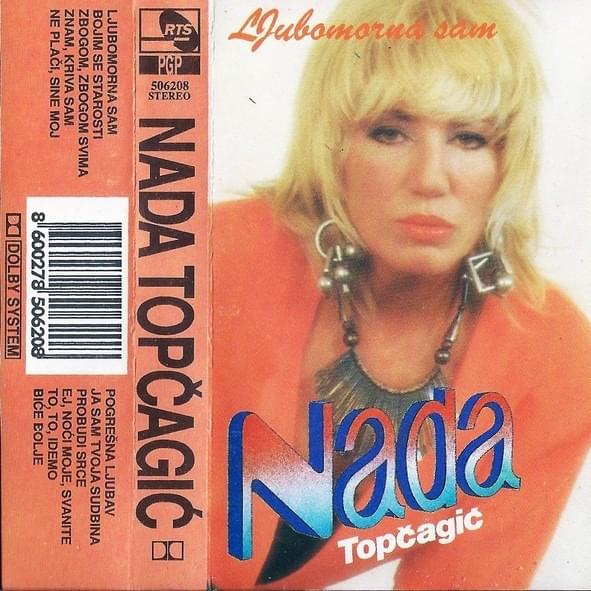
The central tension lies in the narrator's plea for the other person to awaken their heart. The refrain, "Probudi već jednom to srce svoje" (Wake up that heart of yours already), is a direct command, urging them to embrace connection. The justification is simple yet profound: "Nek zna da život je stvoren za dvoje" (Let it know that life is made for two). This implies that true fulfillment, or at least a fundamental aspect of life, is found in partnership, and the subject is missing out.
The most striking aspect is the narrator's bold claim in the second verse: "Tvoja sreća sva mogu biti ja" (All your happiness can be me). This shifts the perspective from mere observation of loneliness to a direct offer of solace and companionship. It’s an intense declaration, suggesting the narrator sees themselves as the potential cure for the other's isolation, a bold move that elevates their own role from sympathetic observer to active participant in the other's emotional well-being.
Ultimately, the effectiveness of these lyrics stems from their directness and the escalating emotional stakes. The simple, repetitive structure mirrors the persistent nature of the narrator's concern and the unchanging state of the person they address. The core message, that life is meant for connection and that the narrator is willing and able to provide it, hits hard because it’s delivered with an almost desperate urgency, making the plea to "wake up" feel deeply personal and compelling.
 View Artist