Song Meaning
The lyrics paint a poignant scene of impending separation, centering on a figure named Karanfil preparing for a journey. The dominant emotional tone is one of sorrow and resignation, underscored by the repetitive "Aman, aman" refrain, which often signifies lament or deep feeling in traditional music. Karanfil is depicted actively preparing, "sprema i pjeva" (prepares and sings), suggesting a forced cheerfulness or a stoic acceptance of departure.
This outward preparation contrasts sharply with the beloved's reaction. The lyrics state, "A draga mu konja sedla i plače" (And his beloved saddles the horse and cries). This image of the beloved actively assisting in the departure while simultaneously weeping captures the central tension: the necessity of leaving clashing with the pain of abandonment. The beloved's direct address, "Ti odlaziš, kome mene ostavljaš?" (You are leaving, to whom do you leave me?), directly articulates this feeling of being left behind and uncertain of the future.
The response to this plea introduces a layer of complex emotional dynamics. Karanfil replies, "Ostavljam te mojoj majci i tvojoj" (I leave you to my mother and yours). This offers a practical solution, but the beloved's follow-up question, "Šta će meni tvoja majka i moja?" (What will your mother and mine be to me?), reveals the inadequacy of such arrangements. The true void is not the absence of care, but the absence of the "dilber" (lover/beloved) himself, "Kad ja nemam svog dilbera kraj sebe?" (When I don't have my beloved beside me?).
The effectiveness of these lyrics lies in their stark simplicity and direct emotional expression. The juxtaposition of Karanfil's singing preparation with the beloved's tearful saddling of the horse creates a powerful visual and emotional contrast. The final lines cut through any pretense of comfort, emphasizing that no substitute can fill the space left by the departed lover, making the pain of separation palpable and deeply personal.
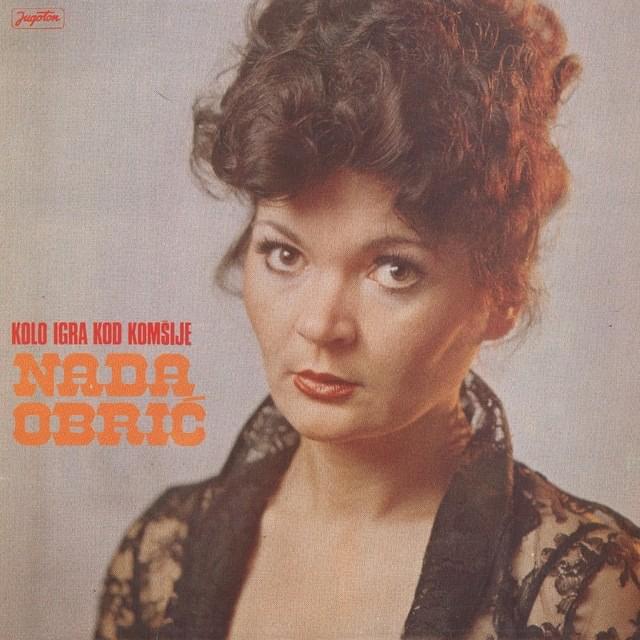
 View Artist