Song Meaning
The lyrics paint a stark, almost gothic picture of devotion and subjugation. The opening lines establish a tone of intense, almost masochistic love: "I will bleed for you / I love you for your sadness." This isn't a gentle affection; it's a consuming passion that embraces the beloved's pain and anger, suggesting a deep, perhaps unhealthy, entanglement. The repeated declaration "We are the dead" acts as a chilling refrain, hinting at a state of being beyond life or perhaps a profound spiritual or emotional death.
The central tension emerges from the juxtaposition of this self-destructive devotion with a disturbing vision of power and conquest. The narrator shifts from personal sacrifice to a grand, almost apocalyptic ambition: "We were created to rule / My dearest / And the blood of mankind will be the water for our garden." This suggests a twisted ideology where their love and shared 'deadness' are the foundation for a future dominion, a terrifying prospect where humanity's suffering fuels their existence.
The most striking craft element is the stark contrast between the initial intimate declarations and the subsequent pronouncements of power, followed by a brutal depiction of female subjugation. The lines "We court our men with our pain / We bow to them / We transform into dolls for their pure pleasure" offer a visceral image of agency lost. The specific details of "corsets / High heels / Chatter" ground this abstract slavery in tangible, oppressive symbols, leading to the devastating finality of "the bare back of the hand" as their reward.
This lyrical construction is effective because it forces the listener to confront uncomfortable truths about love, power, and societal roles. The initial romantic intensity is twisted into a horrifying narrative of control and sacrifice, making the repeated phrase "We are the dead" resonate not just as a metaphor for emotional numbness, but as a literal description of a life devoid of dignity and self-determination. The final, desperate plea, "No being / That ever was or ever will be / Should love you / Like I do," underscores the tragic isolation and destructive nature of this all-consuming, yet ultimately empty, devotion.
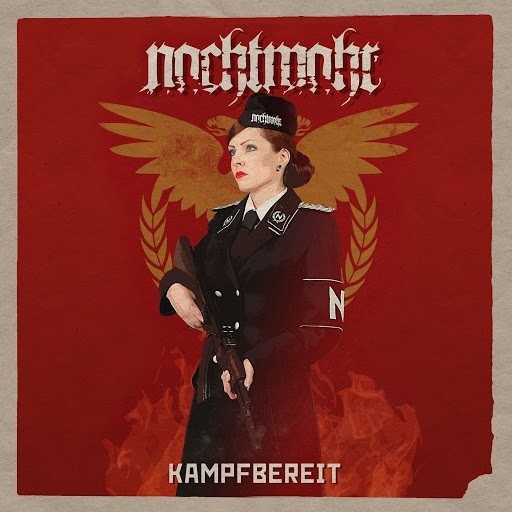
 View Artist