Song Meaning
The lyrics to "Stanislavsky" immediately plunge into a dramatic self-revelation: "Me descubro como actor" (I discover myself as an actor). This isn't just a role; it's an identity, a performative existence. The speaker promises authenticity, "hacerlo de verdad" (to do it for real), even as they acknowledge the stage lights and the inevitable burnout. There's an immediate tension between genuine feeling and theatrical presentation.
This tension deepens with the speaker's stark apology: "Pido excusas ante vos / Por mi esperma y por mi voz" (I ask for forgiveness before you / For my sperm and for my voice). This raw confession for their very being and expression is followed by an admission of polishing "las máscaras" (the masks) behind which they speak. It reveals a profound conflict between the true self and the persona, suggesting the mask is a necessary tool for communication, even as they seek "algo parecido a un dios" (something similar to a god) within.
The most striking element is the active pursuit of pain and self-knowledge: "Busco el dolor en mí, no, no a mí en el dolor" (I seek pain in me, no, not me in pain). This isn't passive suffering; it's a deliberate, almost surgical, exploration of internal wounds. This quest is framed by the cyclical nature of performance, "Viviré y moriré mil veces bajo estas luces" (I will live and die a thousand times under these lights), suggesting this self-inflicted examination is an ongoing, perhaps eternal, part of their artistic and personal process. The later imagery of "se clava agujas de coser" (sews needles) reinforces this visceral, self-probing act.
The lyrics are effective because they don't offer easy answers. Instead, they lay bare the complex, often painful, relationship between self, performance, and truth. The shift from demanding an "ovación" (ovation) to asking listeners to "Ahórrense la ovación" (Save the ovation) highlights a journey from external validation to an internal, almost masochistic, search for authenticity. The repeated "Me descubro como actor" becomes less about a role and more about the fundamental, perhaps inescapable, performative nature of existence itself, especially for an artist. The raw, almost violent imagery of self-examination leaves a lasting, unsettling impression.
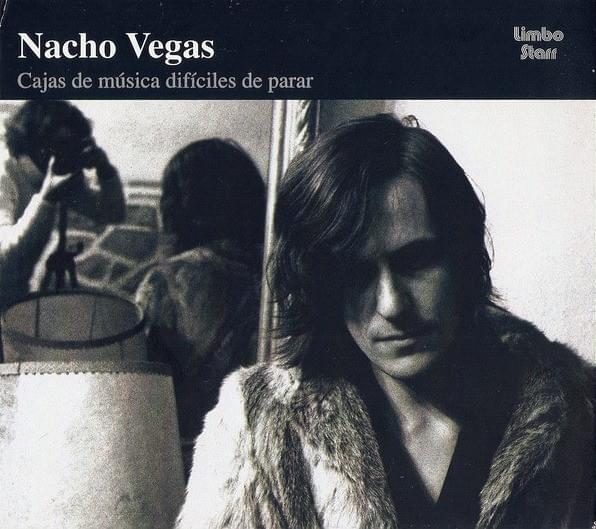
 View Artist