Song Meaning
The narrator stands at the precipice of a relationship, feeling responsible for its unraveling. The opening lines paint a stark picture: "You're a bottomless abyss and I'm on its edge." This immediate sense of danger and precariousness sets the tone, amplified by the idea that deception only becomes real when exposed, implying a hidden truth or a series of unspoken issues. The recurring phrase "I'm to blame, as always" underscores a deep-seated feeling of guilt, even if the specific reasons remain veiled.
The core conflict emerges in the chorus, a desperate plea for direction. The narrator is caught between two impossible choices: rekindling love or succumbing to deceit. "What should I do, tell me / I can't decide." This indecision isn't a sign of apathy, but rather a paralysis born from the weight of the situation, highlighting the emotional exhaustion of trying to navigate a relationship fraught with unspoken lies and self-blame. The choice is stark: "Should I love you again or drown in lies?"
The imagery of "Clouds dreamed of the sunset" is particularly striking, suggesting a fleeting, perhaps illusory, beauty or a moment of peace that is destined to fade. It's a poetic way to describe a beautiful but ultimately transient state, mirroring the fragile nature of the relationship itself. The repetition of "as always to blame" hammers home a cyclical pattern of self-recrimination, suggesting this isn't the first time the narrator has felt this way, reinforcing the feeling of being trapped in a familiar, painful dynamic.
This lyrical construction is effective because it taps into the universal anxiety of being stuck in a toxic situation without a clear exit. The narrator's paralysis, her inability to choose between a love that seems lost and a lie that's become suffocating, creates a palpable sense of dread. The raw, almost confessional tone, coupled with the stark imagery, makes the listener feel the weight of her impossible decision and the pervasive guilt that colors her every thought.
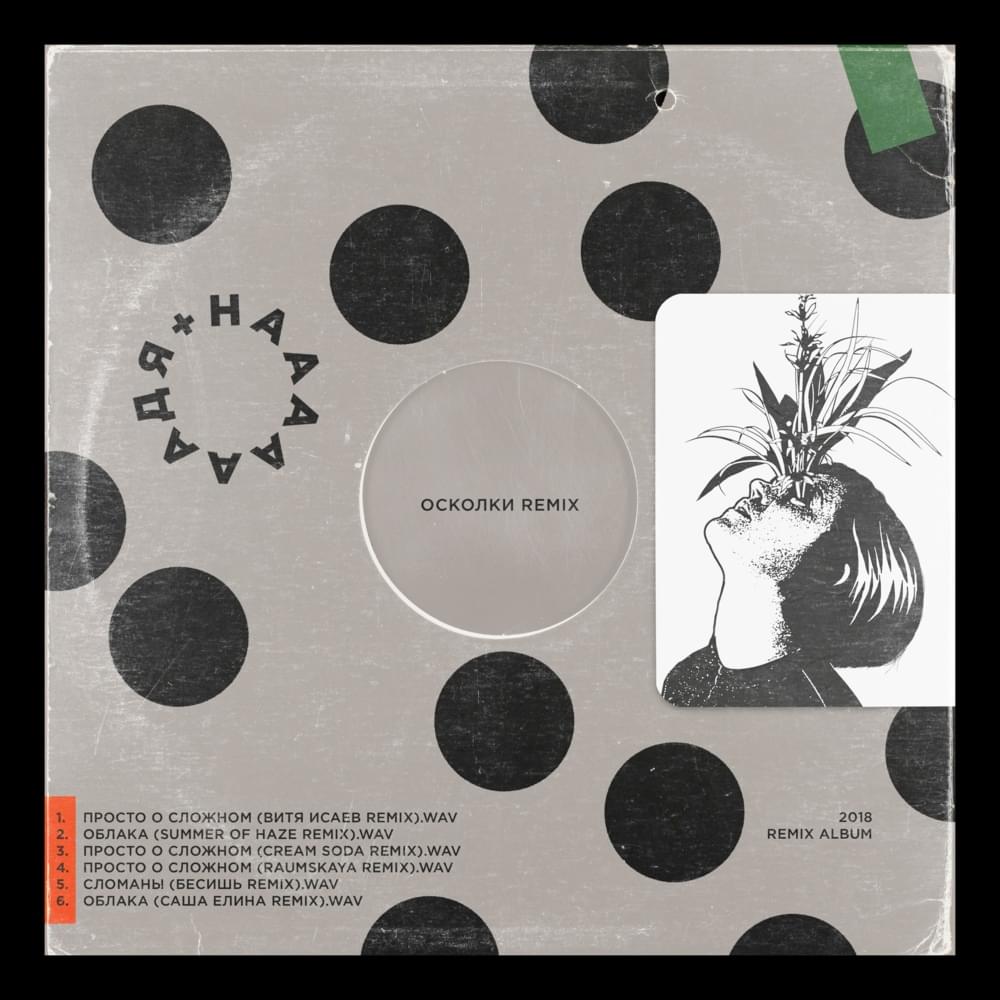
 View Artist