Song Meaning
The narrator declares an almost boundless willingness to do anything for someone else, stating, "Mógłbym zrobić wszystko" (I could do anything) and "Naprawdę na dużo mnie stać" (I can really do a lot). This initial declaration of capability and devotion sets a tone of intense, almost desperate, commitment. The repeated offer to change, believe, or even gather the rarest wildflowers suggests a desire to mold themselves or their reality to fit the object of their affection. It’s a grand, sweeping gesture of self-sacrifice and potential transformation, all offered up without reservation.
The core tension emerges from the stark contrast between this outward declaration of power and the internal admission of profound lack and unfulfilled desire. The refrain, "To wszystko, czego chcę / To wszystko, czego mi brak / To wszystko, czego ja / Nigdy nie będę miał" (This is all I want / This is all I lack / This is all that I / Will never have), reveals a deep-seated despair. The narrator’s capacity to do anything is juxtaposed with the certainty that what they truly want will remain perpetually out of reach. This creates a painful paradox: immense potential is wielded in service of an unattainable goal.
A particularly striking, albeit disturbing, image appears in the line, "Najchętniej / Zamknąłbym Cię w klatce" (I would most like / To lock you in a cage). This possessive, almost violent impulse, framed as an expression of love because they "kocham na Ciebie patrzeć" (I love to look at you), reveals a darker, more controlling undercurrent to the narrator's devotion. It suggests that the desire to keep the person close might stem from a fear of loss or a need for absolute control, rather than pure, selfless adoration. This unsettling thought is then followed by the admission of falling into "głęboką depresję" (deep depression) and not knowing "kim jestem" (who I am), indicating the immense personal toll this fixation has taken.
The effectiveness of these lyrics lies in their raw emotional honesty and the brutal honesty of their contradictions. The narrator’s grand pronouncements of capability are consistently undercut by a profound sense of personal failure and an awareness of their own limitations, particularly in achieving happiness or fulfillment. The final lines, "Nie chcę widzieć / Nie chcę czuć" (I don't want to see / I don't want to feel) and the repeated question, "Czy to koniec już" (Is it over already), coupled with the image of "mgła" (fog), paint a picture of someone overwhelmed and retreating from reality, unable to reconcile their desires with their perceived fate.
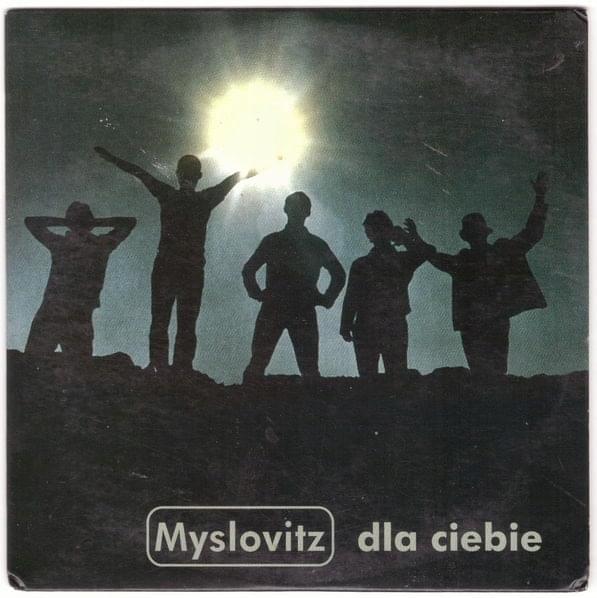
 View Artist