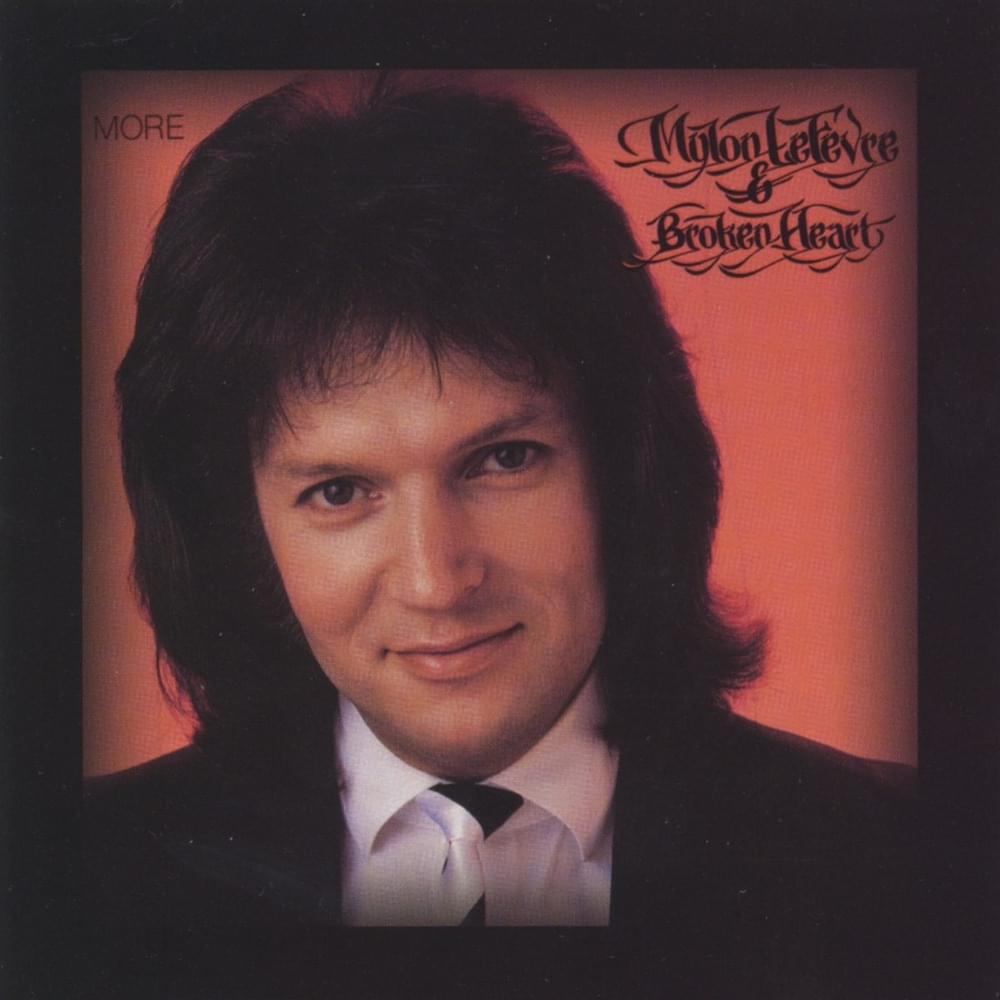
Song Meaning
Mylon LeFevre's "The Gift" isn't just a song; it's a fervent, almost desperate plea for spiritual worthiness couched within the ecstatic pronouncements of praise. The repetition of "worthy" transcends simple affirmation; it becomes a mantra, a self-directed exhortation wrestling with the inherent human feeling of inadequacy before the divine. The opening verses establish a traditional, reverent tone, celebrating God's power, glory, and eternal nature, echoing familiar refrains of Christian worship. The song establishes a hierarchy, a divine standard of perfection. This context makes the subsequent shift all the more potent.
The core of the song's psychological weight lies in the transition from declaring God's worthiness to begging for personal worthiness. "Make me worthy" is not a passive request; it's an active yearning, a confrontation with the listener's own perceived shortcomings. The sparseness of the lyrics amplifies this feeling; the simplicity of the language belies the complex emotional undercurrent. LeFevre isn't just singing *about* faith; he's embodying the struggle to attain it, the constant striving to bridge the gap between human fallibility and divine expectation. The song hints at the internal pressure felt by those within religious frameworks, the perpetual assessment of one's own moral standing.
The concluding "Hallelujah" section, repeated with increasing intensity, serves as both resolution and continuation. It's a release of tension, a moment of surrender and acceptance, yet the repetition suggests that the quest for worthiness is never truly over. The "Hallelujah" becomes almost primal, an expression beyond words of faith, doubt, and the ongoing pursuit of grace. The song, in its raw emotionality, touches on a universal human experience – the desire for acceptance and the struggle to feel deserving of love, whether divine or human.