Song Meaning
Mylon LeFevre's "Lamb of God" isn't a subtle exploration of faith; it's a full-throated, declarative statement. The song's meaning revolves around the absolute veneration of Jesus, depicted as the sacrificial "Lamb of God." The lyrics, repetitive in their praise ("Holy, Holy," "Worthy, Worthy"), function as a mantra, a sonic embodiment of unwavering belief. This isn't about questioning or intellectualizing religious concepts; it's about the emotional experience of worship, amplified through communal singing. The repeated invocation serves to both center the believer and to create a shared, unified experience of faith. The simplicity of the lyrics belies the profound psychological need it fulfills for many: a desire for redemption and a connection to something larger than oneself.
The song's structure reinforces its message. The verses, proclaiming "Behold the Lamb of God / Who takes away our sin," directly address the core tenet of Christian belief: atonement through sacrifice. The "Lamb" metaphor, laden with centuries of religious symbolism, evokes both innocence and ultimate sacrifice. LeFevre doesn't shy away from the weight of this symbolism; instead, he embraces it, urging listeners to recognize and accept the offered salvation. The repeated calls to "give Him glory" aren't just empty platitudes; they're an active invitation to participate in the act of worship, to find solace and purpose within the framework of faith.
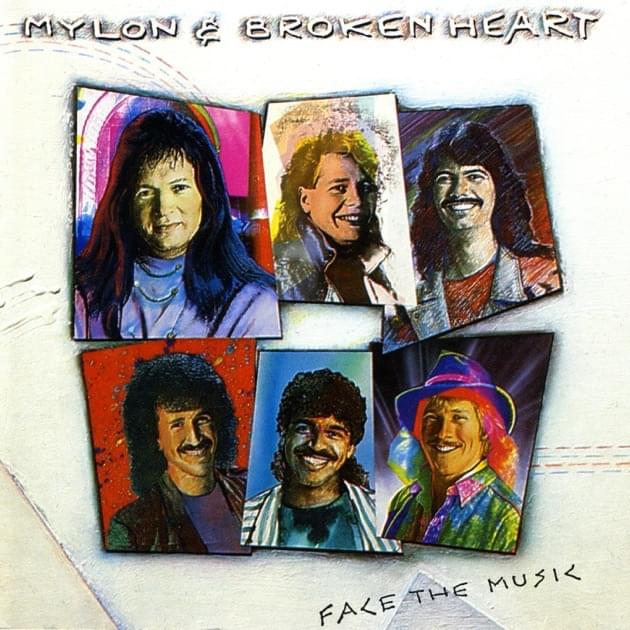
The final lines, "Father God, in the name of Jesus / Help us to face the music," add a layer of intriguing complexity. While seemingly a plea for divine assistance, the phrase "face the music" introduces a secular element, suggesting the challenges and consequences of life itself. In this context, faith becomes not just a spiritual practice, but also a source of strength and resilience in navigating the difficulties of the world. The song, therefore, functions as both an act of worship and a prayer for fortitude, acknowledging the ever-present tension between belief and reality.
 View Artist