Song Meaning
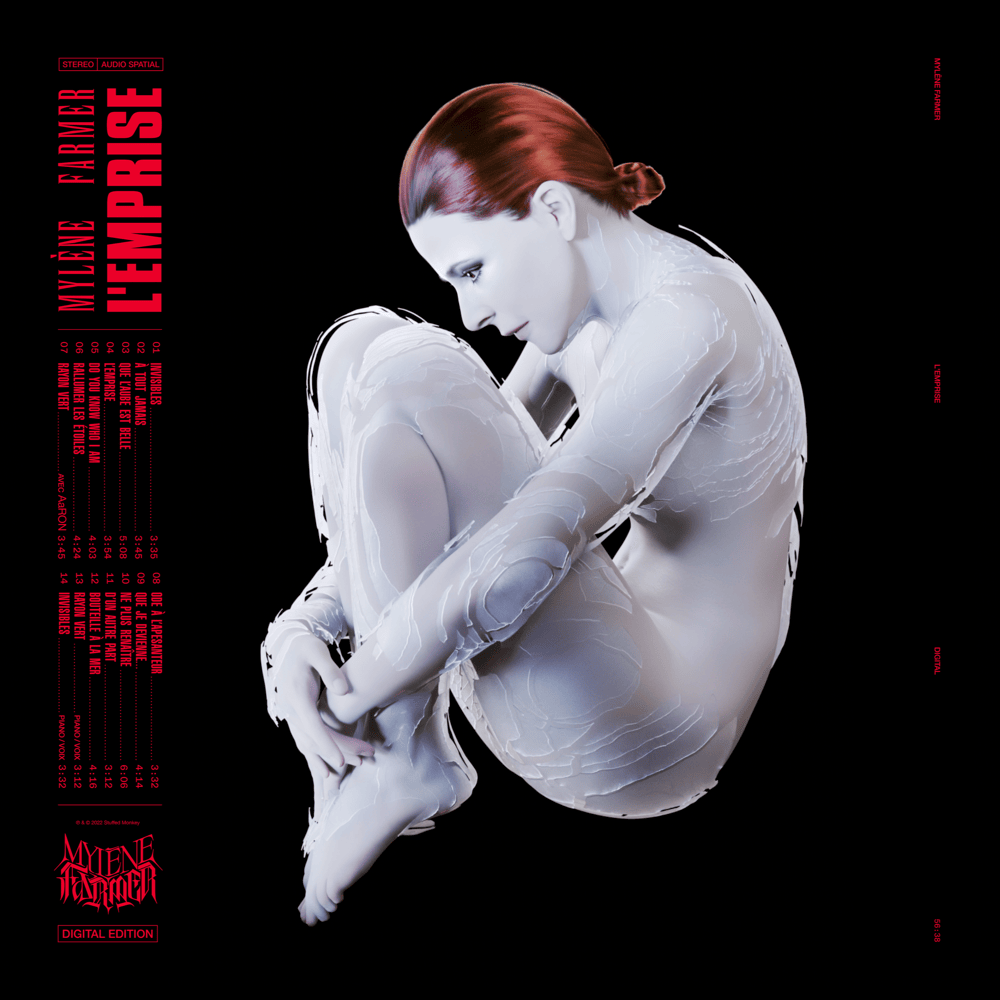
Mylène Farmer's "Ne plus renaître" isn't just a song; it's a stark, poetic declaration of existential fatigue. The title itself, meaning "Never to be reborn," sets the stage for a powerful exploration of disillusionment and a yearning for ultimate release. Farmer, known for her dark and philosophical themes, uses potent imagery of self-immolation ("s'autodafer") and destruction to convey a desire to escape the cyclical nature of suffering. The track isn't simply nihilistic, though. It's a scorched-earth strategy aimed at something beyond.
The lyrics are sparse yet loaded. Phrases like "chemin de croix" (way of the cross) and "Ave Maria" hint at a rejection of traditional faith as a source of solace, while also acknowledging its presence in the cultural psyche. The repeated line, "Une étincelle je veux renaître" (A spark, I want to be reborn), juxtaposed against the title's negation, creates a central tension: a simultaneous longing for renewal and a resolute decision to end the cycle of rebirth. This push and pull embodies the singer's internal conflict as she grapples with the weight of existence. Is it a genuine desire for annihilation, or a desperate plea for a different kind of existence?
The "lepre est telle / Pauvre humanité est en pièces" (the leprosy is such / Poor humanity is in pieces) lines paints a grim picture of the human condition. It suggests a profound disappointment with the state of the world, a world riddled with metaphorical disease and fragmentation. Farmer's choice to "mettre le feu" (set fire) is not just destructive, but a cleansing act. It's a radical attempt to break free from the perceived decay and futility. In essence, "Ne plus renaître" is a complex meditation on despair, hope, and the ultimate search for meaning in a world that often feels meaningless. The song meaning becomes a personal choice for the listener - a sentiment that is either agreed with or rejected.
 View Artist