Song Meaning
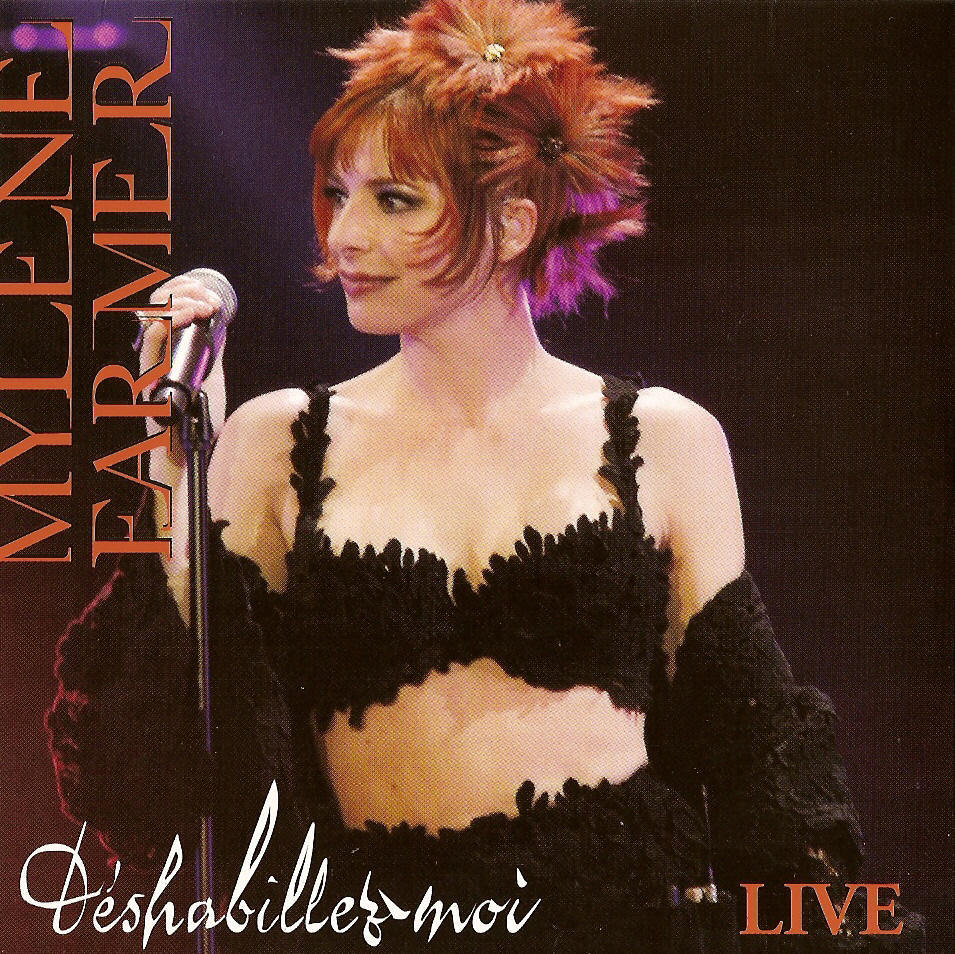
Mylène Farmer's performance of "Déshabillez-moi (Live 2006)" is far more than a simple striptease request; it's a masterclass in the power dynamics of desire, a carefully constructed dance of vulnerability and control. The lyrics, a series of commands and conditions, reveal a yearning for connection that transcends mere physical gratification. The opening entreaty, "Déshabillez-moi," repeated like a mantra, immediately establishes a framework of submission, yet it's quickly complicated by the caveat: "Oui, mais pas tout de suite / Pas trop vite." This isn't about immediate surrender; it's about dictating the terms of engagement. Farmer isn't just asking to be undressed; she's demanding to be seen, understood, and appreciated. The song meaning lies in the subtle negotiation of power. She wants to be "convoiter," "désirer," and "captiver," suggesting a need for a deeper, more profound connection.
The song text outlines the ideal lover, one who possesses both passion and restraint. She implores, "Ne soyez pas comme tous les hommes / Trop pressés," highlighting a frustration with superficial encounters. The gaze, the "regard," becomes paramount, a tool for both seduction and vulnerability. She desires to be "dévorée des yeux," but with "retenue," a measured intensity that allows her to gradually acclimate. This is where the song transcends simple eroticism and delves into the psychological landscape of intimacy. It's about building trust, creating a safe space for exploration, and ultimately, surrendering to a shared experience. The layers of meaning in "Déshabillez-moi" build through subtle lyrical shifts.
As the song progresses, the tone shifts subtly. The initial hesitation gives way to a more urgent plea: "Maintenant tout de suite / Allez vite." The conditions are lifted, replaced by a raw, unfiltered desire: "Sachez me posséder / Me consommer / Me consumer." This isn't a contradiction, but rather the culmination of the carefully orchestrated prelude. The initial control has paved the way for genuine abandon. Finally, the song concludes with a powerful reversal: "Et vous / Déshabillez-vous." This isn't just an invitation; it's a demand for reciprocity, a recognition that true intimacy requires mutual vulnerability. "Déshabillez-moi" is therefore not just about physical exposure, but about emotional and psychological unveiling. It's about the complexities of desire, the negotiation of power, and the ultimate surrender to a shared experience of vulnerability.
 View Artist