Song Meaning
The lyrics paint a picture of a deliberate, ritualistic sexual encounter, framed as an escape from mundane boredom. The opening lines, "Bored with your sex life," immediately establish a dissatisfaction that this "Leathersex" experience aims to remedy. The narrator invites a partner to embrace "this night of power," suggesting a consensual surrender to intense sensation and control dynamics. The scene is set with religious-like imagery: "Stip before the altar," "test the blood of our command," and "holy pain," elevating the act beyond mere physical release into something more profound and transformative.
The central tension lies in the push-and-pull between the desire for intense experience and the underlying question of "Where is the action?" This refrain, repeated and then answered with "Action is action / Action makes things happen," seems to assert that the very act of engaging in this ritual, this "Leathersex," *is* the action. It’s a self-fulfilling prophecy where the intensity of the moment, the "holy pain," and the power dynamics are what constitute the desired "action," resurrecting something from the mundane.
The most striking craft element is the juxtaposition of religious and BDSM terminology. Phrases like "altar," "holy pain," and "resurrects" are interwoven with "kneel," "slave," and the repeated "Bathe me in leather / Drown me in your sex." This fusion creates a potent atmosphere, suggesting that for the narrator, this particular form of sexual expression is a sacred, almost spiritual pursuit, a place where forbidden desires and power dynamics are not only accepted but deified. The repetition of "Bathe me in leather" emphasizes the tactile and immersive nature of this chosen experience.
Ultimately, these lyrics hit hard because they articulate a desire for a sexual experience that is both deeply personal and performatively intense. The writing crafts a space where pain and pleasure, submission and command, are intertwined, creating a powerful, almost spiritual catharsis. The repeated assertion that the action is inherent in the act itself offers a compelling argument for the transformative power of embracing one's deepest, perhaps unconventional, desires.
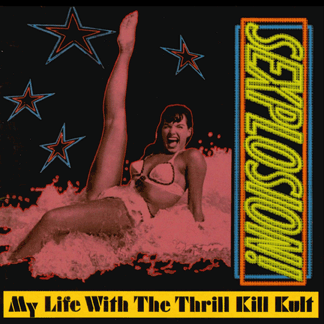
 View Artist