Song Meaning
The lyrics present a defiant, almost blasphemous challenge, repeatedly asking "Kooler than Jesus?" This isn't a humble inquiry but a provocative assertion, immediately met with disbelief: "I don't believe you're listening." The speaker seems to be pushing against a perceived spiritual or authoritative narrative, positioning themselves as an alternative, perhaps even superior, figure. The initial shock value of the question sets a tone of rebellion and self-aggrandizement.
The core tension arises from this audacious claim and the implied audience's skepticism or refusal to acknowledge it. The speaker declares, "I am the electric messiah, the AC/DC god!" which is a potent blend of modern, secular power and religious iconography, suggesting a new, amplified form of divinity. However, this is immediately undercut by the accusation, "You know darn well that they're just manipulating you and that's all that they're doing..." This implies the speaker sees themselves as revealing a truth about manipulation, even as they engage in their own form of charismatic persuasion.
The most striking craft element is the juxtaposition of religious figures with secular, even rebellious, imagery. The phrase "AC/DC god" is particularly effective, merging the divine with the raw, electric energy of rock and roll, creating a figure that is both familiar and transgressive. The speaker also positions themselves as a "looking glass you created to see yourself in," a complex metaphor that suggests they are a reflection of the audience's own desires or perhaps their capacity for self-deception. This turns the interaction into a feedback loop, blurring the lines between the speaker and the listener.
Ultimately, the lyrics resonate because they tap into a desire to question established authority and embrace a more visceral, perhaps even dangerous, form of self-expression. The repeated, almost taunting question "Kooler than Jesus?" combined with the speaker's claims of being a "looking glass" and an "electric messiah" creates a compelling, if unsettling, persona. It forces the listener to confront their own beliefs and the figures they choose to elevate, suggesting that true power or coolness might lie in embracing the transgressive and the self-aware.
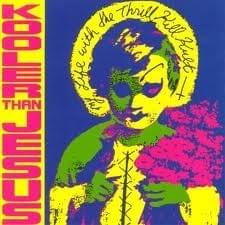
 View Artist