Song Meaning
The lyrics paint a surreal, almost nightmarish scene where a figure named "Miss Hate" is depicted as a malevolent force, "assisting a suicide in fate colored glasses." This sets a tone of dark, predetermined doom. The narrator's immediate reaction is flight, calling out to "Lilith my sweet" for rescue, invoking a powerful, perhaps ancient, feminine entity. The plea "Come and take me, electrical soul wish" suggests a desperate longing for an otherworldly escape or transformation, a desire for something beyond the grim reality presented.
The central tension arises from the contrast between the destructive force of "Miss Hate" and the narrator's yearning for a sanctuary. This sanctuary is described as "a place beyond shame," a haven where "you expect nothing from me." The repetition of "electrical soul wish" emphasizes this desperate, almost spiritual desire for an ultimate release or acceptance, a place of belonging free from judgment. The invocation of "Mecca for all" further solidifies this idea of a universal, welcoming refuge.
The most striking imagery lies in the juxtaposition of beauty and destruction. "Miss Hate" "thirsts for beauty," yet her actions are fatal, and the narrator wishes to "slay it with flowers of cruel destiny." This paradox suggests that even in the face of overwhelming, seemingly inevitable doom, there's a desire to confront it with a twisted form of grace or beauty, a final act of defiance or acceptance. The "last temptation" hints at a final, perhaps dangerous, surrender to this desire for escape or transformation.
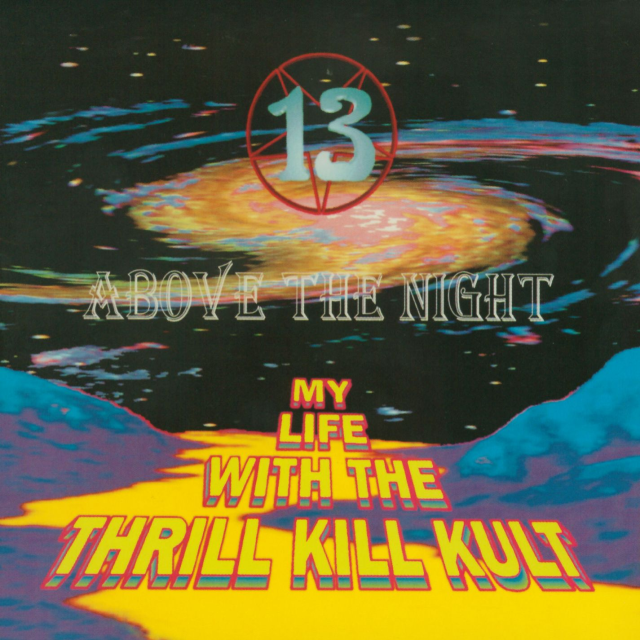
 View Artist