Song Meaning
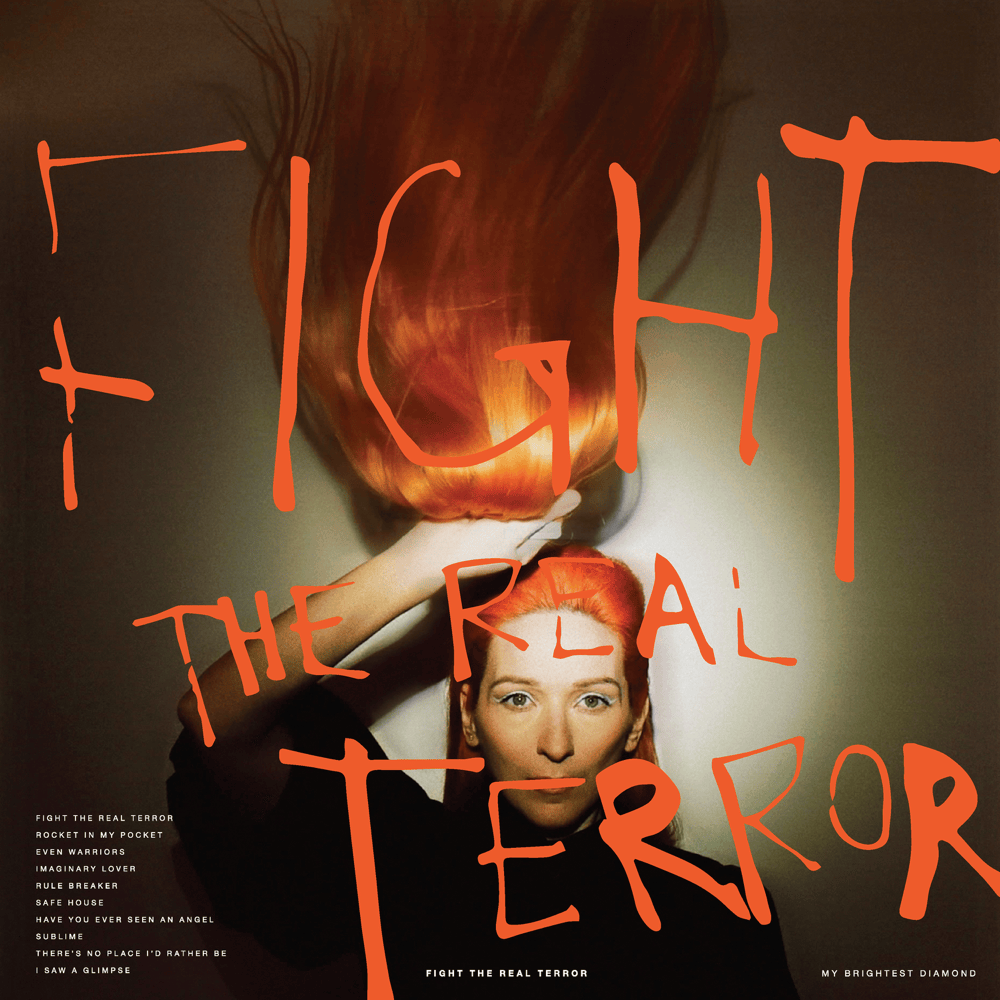
The lyrics immediately establish a somber, almost apocalyptic tone following a significant death, framing it as a global event. The arrival of a "storm" that "cut down the trees" and plunged the world into darkness mirrors the magnitude of the loss, suggesting the narrator feels the "whole world to stop for Sinéad." This opening sets a stage of profound grief and a sense of cosmic disruption, making the subsequent call to "Fight the real terror" feel like a direct response to this overwhelming event.
The central tension lies in the contrast between belated reverence and the difficulty of respecting a "living and furious woman." The narrator critiques the tendency to "saint too late," implying that the true impact of a person's life, especially one characterized by defiance, is often only acknowledged after their passing. This highlights a societal failure to engage with and support radical figures while they are still present and actively challenging the status quo, suggesting that the "terror" being fought is perhaps the silencing of such voices or the forces that necessitate their fury.
The repeated, urgent chant of "Fight the real terror" acts as a rallying cry, but its ambiguity is key. It’s not just about mourning; it’s about action. The narrator questions their own role in processing the deceased's "sacrifice," asking "whose picture am I gonna tear up tonight" and who will stand with them "shoulder to shoulder" against "another untouchable power." This suggests the "real terror" is not just the loss itself, but the oppressive systems and figures that the deceased likely fought against, and that the narrator now feels compelled to confront.
Ultimately, the lyrics resonate because they capture a complex mix of grief, regret, and defiant resolve. The shift from the initial, almost passive observation of a world-altering storm to the active, questioning call to arms creates a powerful emotional arc. The final, insistent repetition of "We have confidence" offers a glimmer of hope, a belief that despite the difficulty and the loss, the fight against these "untouchable powers" can and must continue, fueled by the legacy of the "furious woman."
 View Artist