Song Meaning
The lyrics paint a stark picture of a destructive event, a "season of flame" that scorched the land. The initial disbelief is quickly shattered, as a single "spark" ignites a devastating realization. This isn't just a natural disaster; it feels like an ending, a definitive "end of what used to be" that forces a confrontation with harsh reality under "red, hot skies."
Despite the overwhelming destruction, a powerful sense of forward momentum emerges from the "ruin." The narrator and their companions aren't paralyzed by loss; instead, they "dream / Of worlds that we can't yet see." This dream isn't passive; it's an active reimagining, envisioning "monuments to the cruel / Ripped from their pedestal," suggesting a desire to dismantle old power structures that led to the devastation.
The core tension lies in the contrast between those who wish to return to the past and the narrator's group, who understand the impossibility of that regression. While others "wait for rain," hoping for a return to normalcy, the narrator asserts, "we know we can't ever go / Back to where we came." This acceptance of irreversible change fuels their drive to build something new.
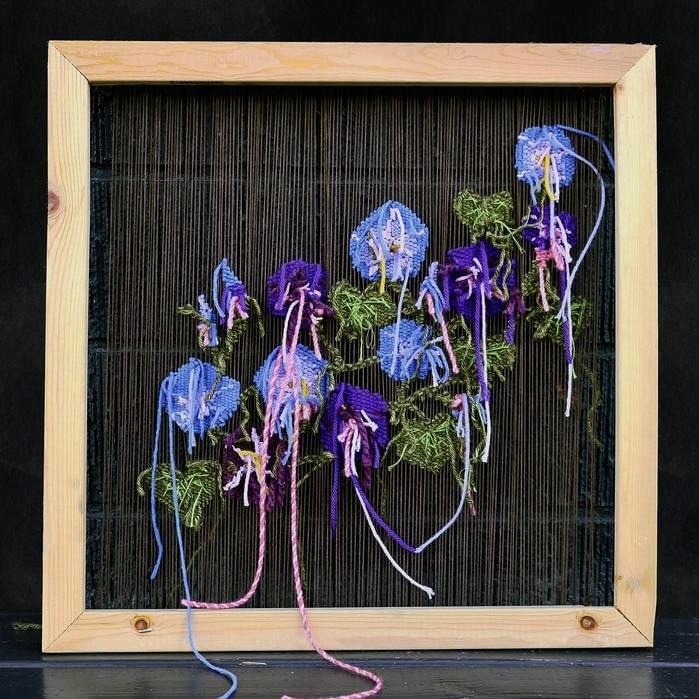
The most striking image is the act of creating a "garden / Where the singed concrete cracked." This isn't just about finding beauty in decay; it's a deliberate act of cultivation in the most unlikely of places. The "fertile" soil, born from destruction, becomes the very foundation for "replac[ing] what we've lacked," highlighting a profound resilience and the potential for growth even after total devastation.
 View Artist