Song Meaning
The lyrics paint a picture of internal conflict and a struggle for clarity. The narrator claims victory in a mental "gun fight" and attempts to resurrect "thoughts left for dead," suggesting a conscious effort to overcome internal turmoil. Yet, this victory is immediately undercut by the admission of burying their head in the sand, wanting to "pretend I understand" but ultimately confessing, "I don't." This creates an immediate tension between a desire for control and an overwhelming sense of confusion.
The central conflict seems to stem from a perceived lack of clear answers in life, particularly regarding morality. The narrator questions the binary of "black and white" and asks "what is wrong and right," indicating a deep uncertainty about fundamental principles. This existential questioning leads to a feeling of isolation, as they "don't suppose that anybody knows" the answers, culminating in the poignant, almost resigned question about asking "imaginary friends" why there's "no response" at the end.
A striking element is the repetition and its subtle shifts. The initial "I won the gun fight" is mirrored by "I buried my head in the sand," creating a stark contrast between claimed triumph and active avoidance. Similarly, "I've spoken my peace" is followed by "I've noticed my sense in the cold," suggesting that while words have been uttered, true understanding or resolution hasn't been found, only a chilling awareness. The repeated phrases highlight a cycle of internal debate and a persistent lack of resolution.
Ultimately, the effectiveness of these lyrics lies in their raw portrayal of internal struggle and the quiet desperation for meaning. The narrator's oscillation between self-assurance and profound doubt, coupled with the cyclical nature of the language, captures the disorienting experience of seeking answers in a world that offers none. The final image of questioning "imaginary friends" underscores a profound sense of loneliness in this search, making the "no response" feel like a universal, yet deeply personal, lament.
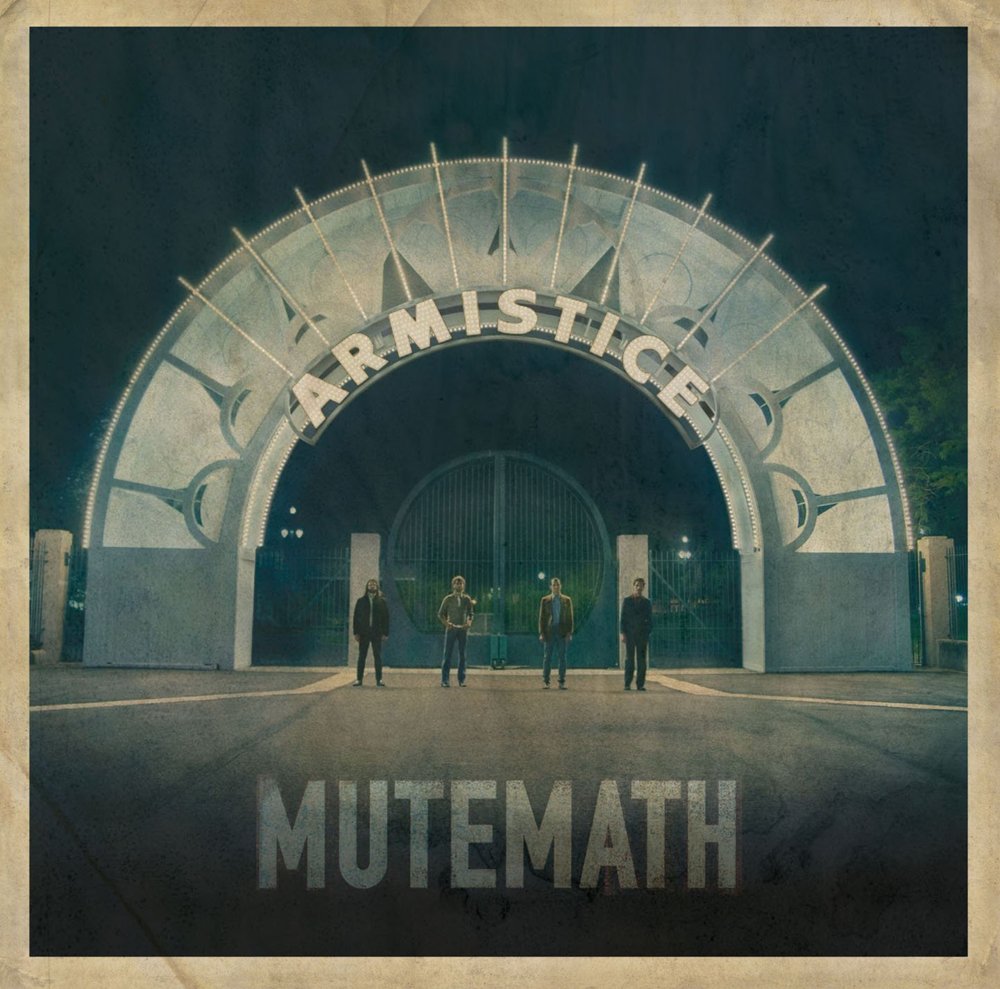
 View Artist