Song Meaning
Mustafa Sandal's "Kafası Bu" pulses with a restless energy, dissecting a personality type both familiar and frustrating. The song's title, which translates roughly to "That's Just How He Is," serves as both diagnosis and weary resignation. We're immediately plunged into a portrait of someone perpetually out of sync: waking up too late, already jaded, physically tense ("Kasılmış geçmiyor candan eyvah"). The lyrics paint a picture of emotional aridity ("O gözler kurakta"), suggesting a history of romantic restarts that never quite take root. There's a cyclical pattern of hope and disappointment that defines this person.
The core of the song meaning lies in the acceptance—or perhaps the forced acceptance—of an immutable nature. The narrator recognizes this individual's inherent inability to change ("Kafası bu, yok değişmez / Değiştirmem ben uğraşmam"). There's no attempt at intervention, no illusion of reform. Instead, a pragmatic, almost detached observation prevails. The repetition of "Kafası bu" underscores the futility of expecting anything different. This isn't an angry dismissal, but a kind of weary understanding.
The final verses suggest a desire for release, a letting go of someone who cannot be contained. The lines "Evde kalmaz uçsun gitsin / Evde kalmaz varsın gitsin" speak to a recognition that this individual's restlessness is intrinsic. There's a sense of self-preservation in the narrator's decision to allow this flight. "Kafası Bu" acknowledges the limitations of trying to fix or change someone, and the peace that can be found in simply letting them be. It's a mature, if somewhat cynical, take on human nature and relationships.
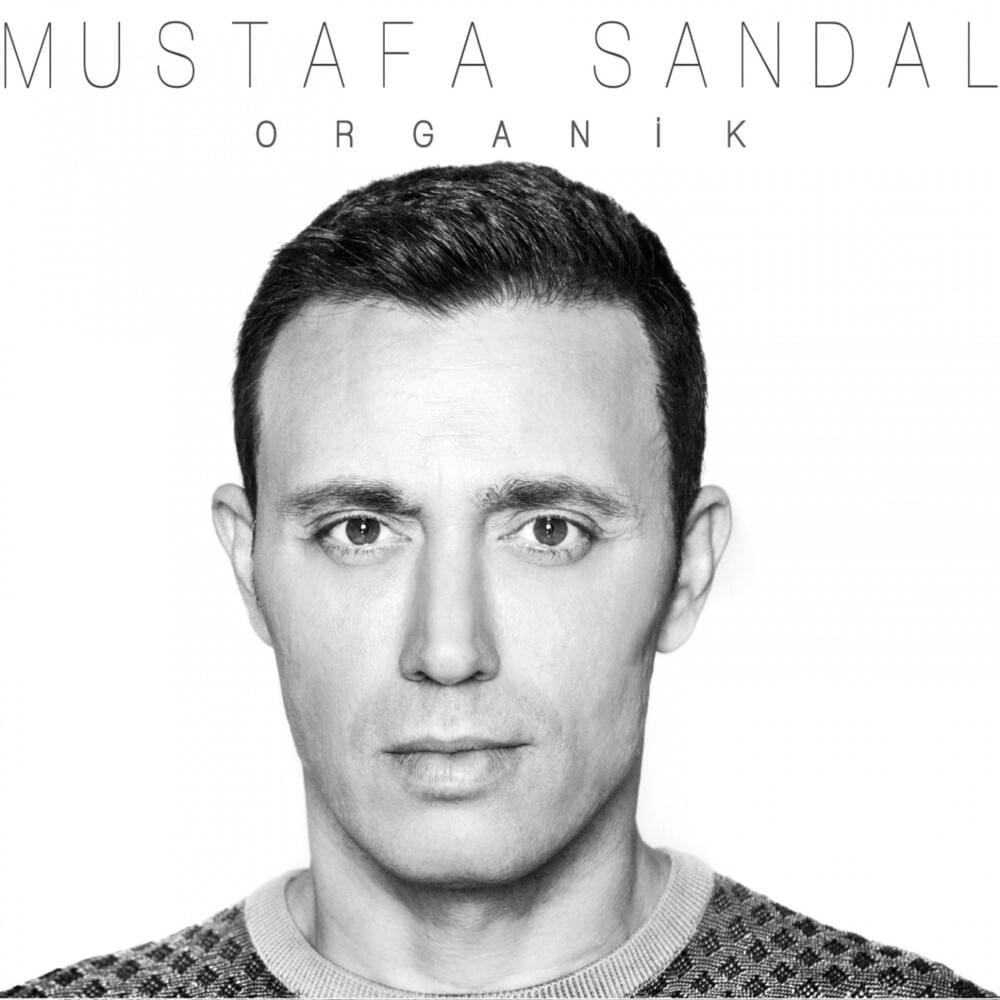
 View Artist