Song Meaning
The lyrics open with a profound declaration: love has been bestowed upon us from eternity, a divine gift. This initial statement sets a spiritual and fated tone, suggesting love isn't earned but given. The immediate repetition of "Sizde bir türlü, bizde bir türlü" (In your way, in our way) introduces a central tension: while love is universal, its manifestation or experience differs between groups.
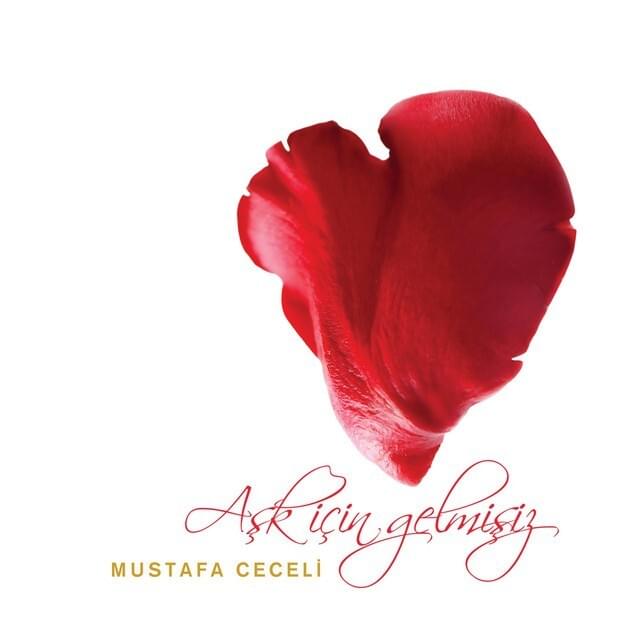
This divergence in experiencing love is further illustrated by the image of "Alaca düşmüş gördüğümüze" (We saw a mottled dream). This phrase evokes a sense of confusion or a fragmented perception of reality, perhaps implying that the different ways love is perceived lead to a distorted or incomplete understanding. The narrator expresses a deep contentment, stating they wouldn't trade their current state for the world's riches, because their heart has already imprinted their beloved onto a rose. This suggests a profound, internal fulfillment that transcends material value.
The lyrics then shift to a more philosophical outlook, with the line "Ey oğul birdir kap değişse su" (Oh son, water is one even if the source changes). This metaphor emphasizes unity and the unchanging essence beneath superficial differences. It suggests that despite varying experiences or perspectives, the fundamental nature of things, like love or existence, remains the same. The narrator finds solace in this unity, seeing "Varlık bir gölge, benlik bir pusu" (Existence is a shadow, selfhood is an ambush), implying that worldly concerns and individual ego are fleeting and potentially deceptive.
The ultimate effectiveness of these lyrics lies in their ability to weave together a spiritual certainty about love with a nuanced acknowledgment of diverse human experience. The recurring phrase "Sizde bir türlü, bizde bir türlü" acts as a constant reminder of this duality, but the overarching message leans towards an acceptance of these differences within a larger, unified framework. The closing lines, "Ne diyelim ki Rabbin duygusu" (What can we say about God's feeling?), bring the contemplation back to a divine, perhaps unknowable, source, reinforcing the idea that love's varied expressions are part of a grander, divinely ordained design.
 View Artist