Song Meaning
The lyrics paint a stark picture of a relationship's end, beginning with a powerful declaration: "Vazgeçtim, gözlerinden" (I gave up on your eyes). This isn't a gentle parting; it's a definitive severing, mirrored by "Vazgeçtin, sözlerinden" (You gave up on your words). The narrator sends their lips away, not for a kiss, but to be taken, a gesture of resignation rather than affection. The repeated plea, "Bir ah de yeter" (Just say 'ah' is enough), underscores a desire for a minimal, almost resigned acknowledgment, a final whisper before silence.
The central tension lies in the jarring disconnect between physical proximity and emotional absence. The narrator insists, "Hiç tanımaz tenim ellerini" (My skin doesn't know your hands) and "Bilmez yüreğim bilmez yüreğini" (My heart doesn't know your heart). Despite the intimate sensory details – "Ah bu koku, bu ten, bu dokunuş" (Ah this scent, this skin, this touch) – these sensations are framed as alien, even dangerous, leading to a "delilik" (madness) that "sarsar bedenimi" (shakes my body). This paradox creates a profound sense of loss, where the physical remains but the emotional connection has vanished.
The most striking craft element is the stark repetition of "Vazgeçtim" (I gave up) and the almost clinical detachment in describing physical intimacy. The bridge hammers home the act of renunciation, stripping away any lingering hope. The chorus then juxtaposes this emotional void with overwhelming physical sensation, highlighting the painful absurdity of being physically present yet emotionally estranged. This contrast between the spoken word of abandonment and the felt reality of lingering physical connection is what gives the lyrics their raw power.
Ultimately, these lyrics resonate because they articulate the specific pain of recognizing a relationship's death even while its physical remnants linger. The writing captures the quiet devastation of realizing that familiar touch and scent now belong to a stranger, a moment of "yok olma" (disappearance) that is both personal and profoundly disorienting. It’s a raw, unflinching look at the end of intimacy.
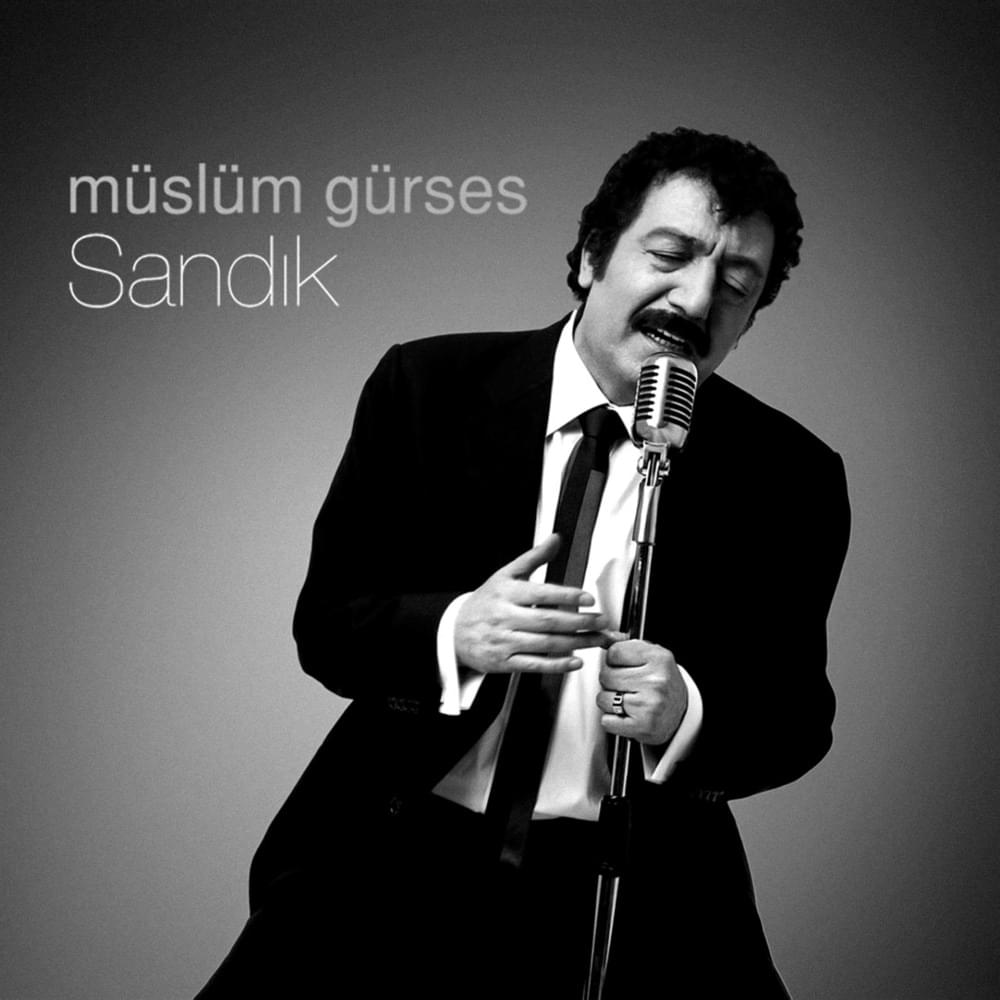
 View Artist