Song Meaning
The lyrics paint a stark picture of persistent suffering and a feeling of being trapped. The narrator opens with a question about perpetual sorrow, "Benim boynum hep böyle bükülü mü kalcak?" (Will my neck always remain bent like this?), immediately establishing a tone of weariness and resignation. This isn't just a bad day; it feels like a permanent state of being, where "Her hasretin içimde kavgası mı olacak?" (Will every longing become a fight within me?). The raw confession, "yaşarken ölmüşüm ben" (I've died while living), underscores a profound sense of despair.
The central tension revolves around the perceived necessity of pain for survival and happiness. The chorus poses a series of rhetorical questions that challenge this notion: "Gayemiz yaşamaksa acı çekmek mi lazım?" (If our goal is to live, is it necessary to suffer?) and "Bu dünyada gülmek için ölmek mi lazım?" (Is it necessary to die to laugh in this world?). This highlights a deep-seated frustration with a life that seems to demand misery as a prerequisite for any positive experience, with "Çaresizlik peşimde hep adım adım" (Helplessness follows me step by step).
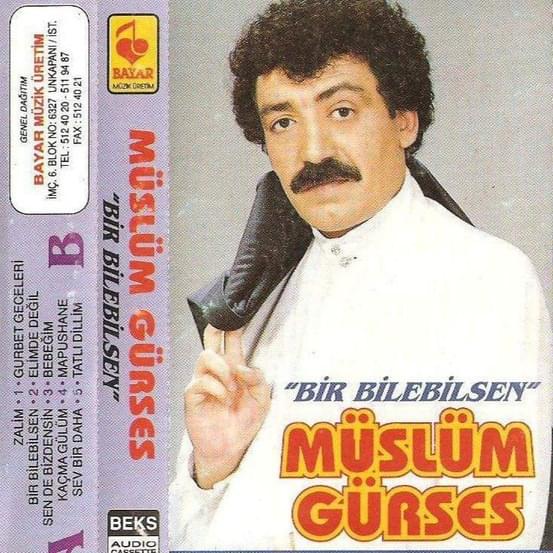
A key element of the song's craft is the repeated address to "arkadaş" (friend), creating an intimate yet isolating connection. This friend is not offered solace but rather a shared fate: "sen de bizdensin" (you are one of us) and "Bizim gibi meçhule gidenlerdensin" (you are one of those going to the unknown like us). This framing suggests a collective experience of hardship, where belonging comes from shared misfortune rather than mutual support. The lyrics also employ a cyclical structure, with the verses detailing the burden and the chorus questioning the inherent suffering, reinforcing the feeling of being stuck in a loop.
What makes these lyrics hit so hard is their unflinching portrayal of existential weariness and the search for meaning within suffering. The narrator doesn't offer easy answers but instead voices a shared, almost universal, struggle against despair. The repetition of questions about the necessity of pain and the concluding affirmation of shared uncertainty create a powerful sense of solidarity in hardship, making the listener feel seen in their own moments of doubt and struggle.
 View Artist