Song Meaning
The lyrics paint a picture of someone who has been deeply hurt and has subsequently cut off all contact. The narrator acknowledges hearing about this "betrayal" and "offense," but immediately dismisses its significance with a repeated, almost defiant, rhetorical question: "Kırılsa ne yazar kırılmasa ne" (What difference does it make if they are hurt or not?). This sets a tone of weary resignation, suggesting a history of disappointment that has led to emotional detachment.
The core tension lies in the narrator's apparent attempt to project indifference while simultaneously revealing a deep-seated pain. They claim to "produce sorrow, create trouble" and that "every line of mine is a lesson to the world," implying their suffering is a source of art or wisdom. Yet, the constant questioning of whether their past or present state is even acknowledged – "Kırk yılın başında halim hatırım / Sorulsa ne yazar sorulmasa ne" (If my state is asked about once in forty years, what difference does it make if it is asked or not?) – betrays a lingering desire for connection or at least recognition.
The most striking craft element is the pervasive use of the phrase "ne yazar," which translates to "what difference does it make?" This refrain, appearing after every significant emotional point, functions as a shield. It's a linguistic shrug meant to convey apathy, but its repetition highlights the very thing the narrator is trying to downplay: the impact of the other person's actions and the narrator's own internal turmoil. The final stanza shifts to a seemingly benevolent wish for the other person's happiness, "Dilerim sultanlar çıksın bahtına" (I wish sultans rise to your fate), but this too is undercut by the same "ne yazar" question, suggesting this outward magnanimity is also a performance, a way to distance themselves from the unresolved pain.
Ultimately, these lyrics resonate because they capture the complex, often contradictory, process of emotional self-preservation after betrayal. The narrator's attempt to appear unfazed is so emphatic that it reveals the opposite: the hurt is profound, and the performance of indifference is a desperate, albeit artistically rendered, coping mechanism. The writing works by using a simple, repetitive question to expose a deep well of unspoken feeling, making the listener question the sincerity of the narrator's detachment.
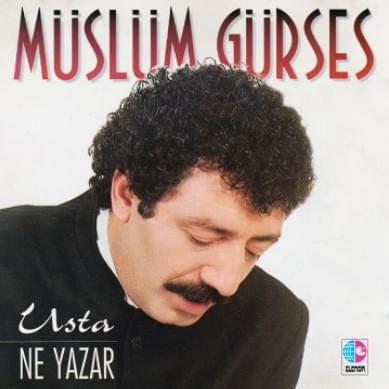
 View Artist