Song Meaning
The lyrics paint a stark picture of immediate departure and the lingering void left behind. The narrator observes tangible evidence of a breakup: packed belongings, scattered memories, and the absence of a familiar scent. This isn't a gradual fading; it's a sudden emptiness, a room stripped bare of its former life and warmth. The repeated, stark "Sen" (You) acts as a desperate, almost disbelieving anchor in this sea of absence.
The central tension lies in the narrator's desperate plea against abandonment, directly contrasting the physical reality of the departure. The phrase "Ne olur terk etme" (Please don't leave) clashes with the already packed "eşyalar" (belongings). This world, once vibrant and "renksiz dünyayı sevmiştik birlikte" (we loved this colorless world together), has now lost its color and warmth, becoming a source of intense pain and unending nights.
The most striking craft element is the personification of inanimate objects as vessels of longing. The "masamız köşede" (our table in the corner) and the "bardaklar boşalmış" (glasses emptied) aren't just furniture; they "hepsi hasret senin nefesine" (all miss your breath). This imbues the domestic space with the narrator's own profound sense of loss, making the absence palpable through the silent, waiting remnants of shared life.
Ultimately, the effectiveness of these lyrics stems from their raw, unvarnished portrayal of post-breakup desolation. The narrator’s realization, "Ben sensiz olamam artık anlıyorum" (I understand now, I can't be without you), arrives not as a revelation of newfound strength, but as a devastating acknowledgment of dependency. The simple, repeated address "Sen kadınım" (You, my woman) grounds the overwhelming grief in a specific, deeply personal loss, making the pain feel immediate and inescapable.
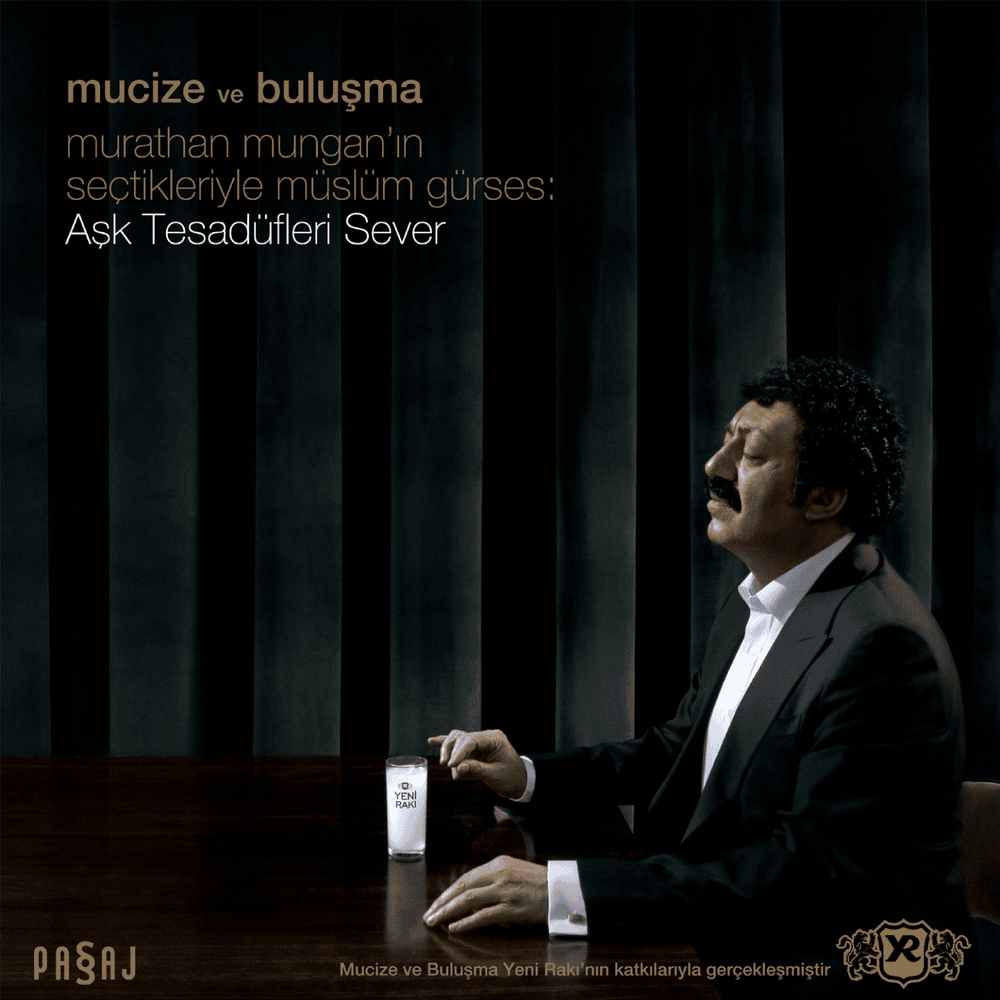
 View Artist