Song Meaning
This track paints a picture of a heart, referred to as 'gönül,' that repeatedly ignores warnings and plunges into painful situations. The narrator acts as a voice of reason, pleading with 'gönül' to avoid certain paths, yet 'gönül' seems compelled to make its own mistakes. The opening verse establishes this pattern: 'Yapma dedim yaptın gönül' (I said don't, you did it, heart), highlighting a self-destructive tendency that the narrator observes with a mix of frustration and resignation.
The central tension lies in the narrator's dual role as both observer and participant in 'gönül's' suffering. Initially, the narrator warns against a love interest described as 'a traveler, you an innkeeper' and 'the last liar you saw,' suggesting a doomed connection. Yet, the hook reveals a shift: 'Sen istedin ben dinledim' (You wanted, I listened) and 'En sonunda ben de sevdim' (In the end, I loved too). This implies the narrator became emotionally entangled, moving from detached advice to shared vulnerability, making the current plea, 'Şimdi beni kurtar gönül' (Now save me, heart), all the more desperate.
The lyrics masterfully use contrast and repetition to underscore the theme of willful blindness and inevitable pain. Phrases like 'Gözleri senden uzaktı' (His eyes were far from you) and 'Gözlerin bakar da görmez' (Your eyes look but don't see) emphasize a refusal to acknowledge reality. The repeated 'Yapma dedim' (I said don't) and 'Demedim mi sana' (Didn't I tell you) function as a mournful refrain, emphasizing the narrator's foresight and 'gönül's' persistent disregard. The image of a 'kördüğüm' (a knot that cannot be untied) perfectly captures the inescapable complexity of the emotional state 'gönül' has created for itself and the narrator.
What makes these lyrics so effective is their raw portrayal of how emotional attachment can override rational thought, leading to shared heartache. The narrator's journey from detached advisor to someone pleading for rescue mirrors the listener's potential experience of being drawn into another's emotional turmoil. The final lines, 'Ağlıyorsun için için / Demedim mi sana gönül' (You're crying inwardly / Didn't I tell you, heart), leave a lingering sense of sorrow, a testament to the painful wisdom gained only after the damage is done.
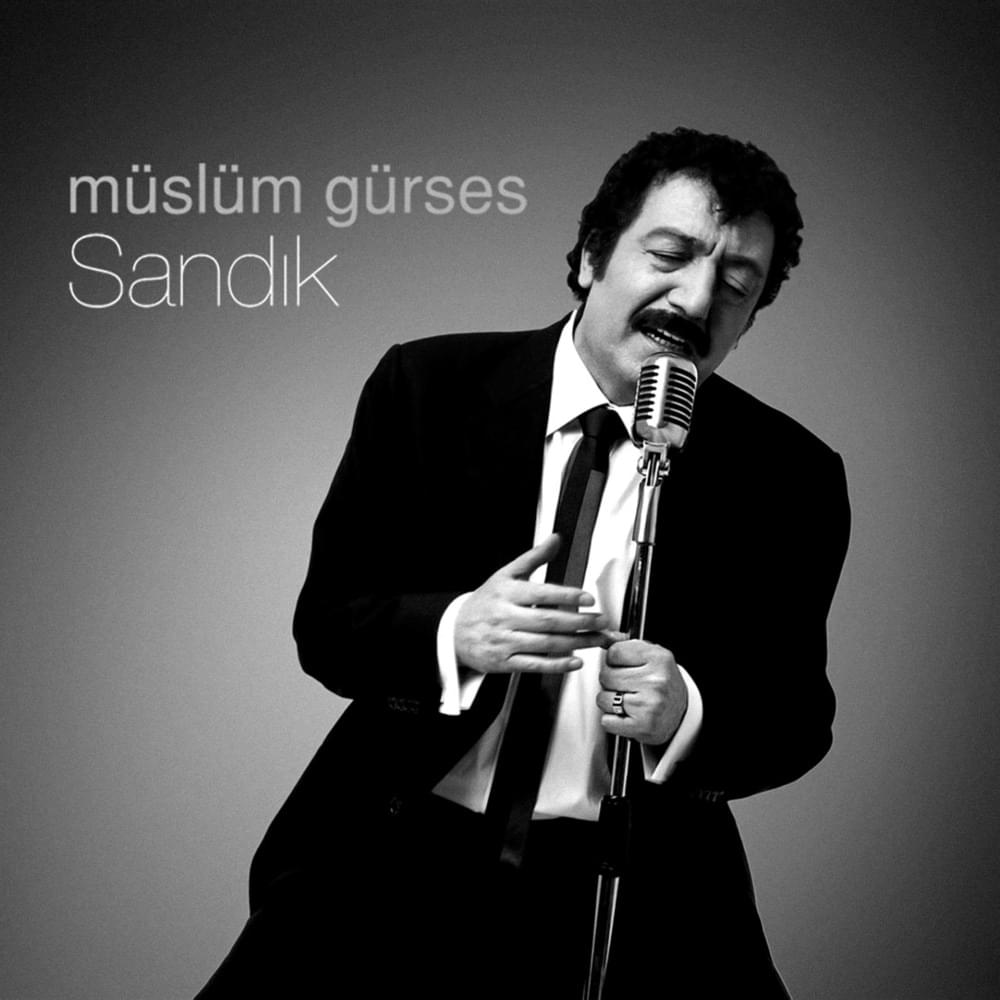
 View Artist