Song Meaning
The lyrics establish a tone of profound reverence and spiritual celebration. The repeated refrains of "Eyvallah şahım eyvallah" and "Hak la ilahe illallah" create a devotional atmosphere, immediately signaling a deep sense of praise and submission to a higher power. This isn't just a song; it feels like an invocation, a communal outpouring of faith.
The central narrative centers on a spiritual visitation. The arrival of "pir" (a spiritual elder or guide) is heralded with the imagery of fresh "gülleri" (roses), suggesting purity and divine blessing. The subsequent mention of "kamberi" and "Ali Murtaza" further elevates the significance of this arrival, linking it to revered figures in Islamic tradition. The lyrics present this event as a moment of immense spiritual significance for the community.
The most striking aspect is the direct identification of Ali and Muhammad as central figures of devotion. Declaring "Ali bizim şahımız" (Ali is our king) and "Miraçta ki Muhammed / O bizim padişahımız" (Muhammad from the Mi'raj is our sovereign) places these figures at the apex of the narrator's spiritual hierarchy. This elevates them beyond mere historical figures to divine or divinely appointed rulers, underscoring the depth of their veneration.
This lyrical structure, with its insistent repetition and direct declarations of faith, creates a powerful sense of communal worship and unwavering belief. The direct address to "şahım" (my king) and the invocation of key Islamic figures ground the abstract concept of faith in tangible, revered personalities. It’s this directness and the rhythmic, chant-like quality that makes the lyrics resonate as a powerful expression of spiritual devotion.
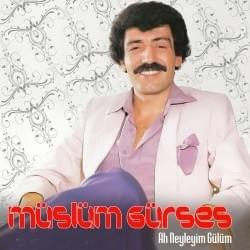
 View Artist