Song Meaning
This is my problem, a deep problem. My problem goes from eternity to eternity. My memory was trampled, my heart was broken. It's the sorrow of my life, my problem. The lyrics establish a profound, almost existential weight to the narrator's "meselem" (problem or matter). It's not a fleeting issue but something deeply ingrained, stretching across time and causing significant emotional pain, evidenced by the imagery of a trampled memory and a broken heart. This problem is presented as the central sorrow of the narrator's existence.
The core tension arises from the narrator's deep, personal connection to this "meselem." It's described as being like their "alın yazım" (written destiny), a "kırık sazım" (broken saz, a traditional stringed instrument), and "iki gözüm" (their two eyes). These comparisons highlight an inescapable, integral part of the narrator's identity and being, suggesting a struggle against something that is fundamentally part of them, yet also a source of deep pain and brokenness.
The most striking craft element is the repeated, almost incantatory use of "meselem." This repetition transforms the word from a simple description of a problem into a complex entity. The chorus elevates it further, defining the "meselem" not just as sorrow, but as a "sevda türküsü" (love ballad) and the "öyküsü" (story) of their love, even encompassing the earth and sky. This reframing suggests the problem is inextricably linked to a profound, all-encompassing love, making the sorrow both personal and cosmic.
Ultimately, the lyrics resonate because they articulate a universal human experience: the entanglement of deep love with profound suffering. The narrator's "meselem" is not just a personal burden but a testament to the intensity of their emotional life, where even pain is woven into the fabric of their being and their most cherished affections. The unanswered questions and the fear of longing, "Hasretin korkusu," further ground this existential struggle in relatable human emotions, making the all-encompassing nature of their "meselem" feel both unique and deeply understood.
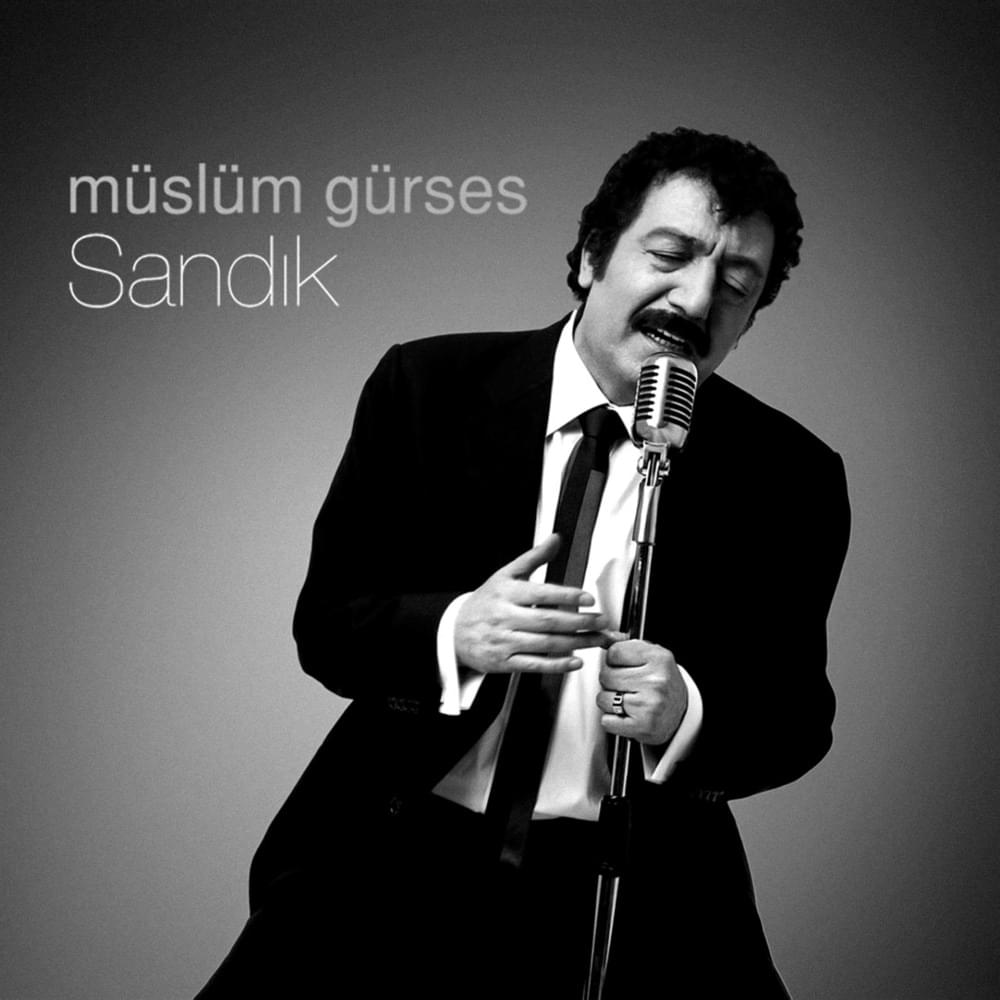
 View Artist