Song Meaning
The lyrics paint a stark picture of unrequited love, where the narrator's devotion is met with indifference and pain. The opening lines immediately establish a sense of sorrow, suggesting that the very condition of love, "Aşkın şartı ağlatmakmış," is to cause tears, a truth the narrator seems to have only just grasped. This sets a tone of profound sadness, as the narrator feels unable to erase the image of their beloved, even contemplating leaving this world rather than living without them. The intensity of this feeling is underscored by the declaration, "Senden ayrı yaşamayı istemem," highlighting a desperate, almost existential dependence.
The central tension arises from the stark contrast between the narrator's pure, selfless love and the beloved's perceived cruelty and lack of reciprocation. The narrator states, "Sevdim seni, sevilmekti tek arzum," a simple, heartfelt desire for mutual affection, which is then brutally contrasted with the reality: "Aşk aradım, keder buldum, dert buldum." This isn't just a lack of love; it's an active pursuit that yielded only sorrow. The beloved is depicted as withholding even the smallest gesture of affection, "Esirgedin dudağından buseni bana," and ultimately, the narrator feels their pure love was deemed too much, "Şu tertemiz aşkımı sen çok gördün bana."
The craft here is in the directness and the stark, almost accusatory tone that emerges from the simple declarations. The repetition of "Çok gördün bana" at the end of the chorus hammers home the feeling of being unjustly denied. The narrator isn't employing complex metaphors; instead, they lay bare their pain with plain language, making the emotional impact feel raw and immediate. The phrase "Anlamadın seni gerçek seveni" is particularly cutting, suggesting a fundamental failure of understanding from the beloved's side, deepening the sense of isolation and heartbreak.
What makes these lyrics resonate is their unflinching portrayal of a love that is both all-consuming and utterly unreturned. The narrator's willingness to endure suffering, "Sürünmeye razıyım ben seninle," while simultaneously feeling mocked, "Alay ettin sevgimle," creates a potent, painful dynamic. The lyrics don't offer solace or a path to resolution; they simply articulate the deep ache of offering everything and receiving nothing but scorn and sorrow in return, a raw emotional state many can recognize even if they haven't experienced it so intensely.
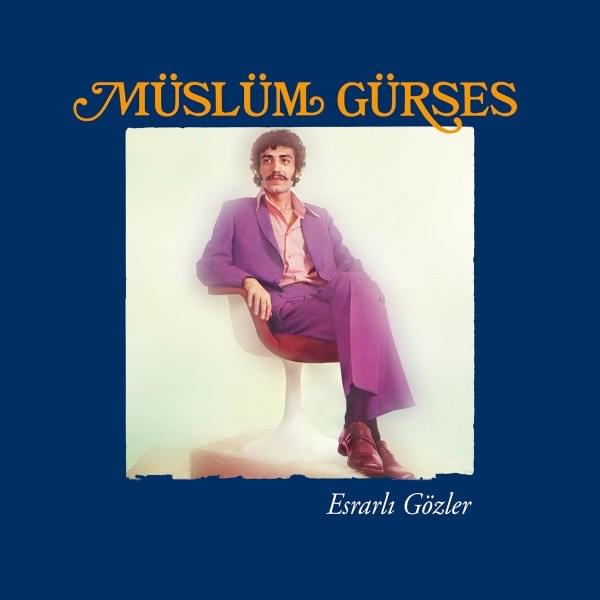
 View Artist